david rinker

Researchers use technology to better understand and predict drug-resistant fungi
Jul. 29, 2026—By Tatum Lyles Flick, Evolutionary Studies communications consultant Many fungi are naturally resistant to the drugs available to treat them, while others evolve resistance to drugs prescribed in clinical settings. Determining which medication will be most effective in treating a patient can be a time-consuming challenge. Vanderbilt University researchers recently found a way to leverage...
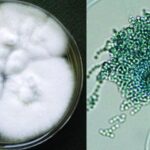
Researchers Discover Wide Variation in Virulence of Non-Pathogenic Fungi
Sep. 11, 2024—By Andy Flick, Evolutionary Studies scientific coordinator A new study led by research assistant professor David Rinker sheds light on how fungal pathogenicity might evolve. The article, “Strain heterogeneity in a non-pathogenic Aspergillus fungus highlights factors associated with virulence,” was published in the journal Communications Biology in September 2024. According to Rinker, “different isolates or...