 DISSERTATION DEFENSE
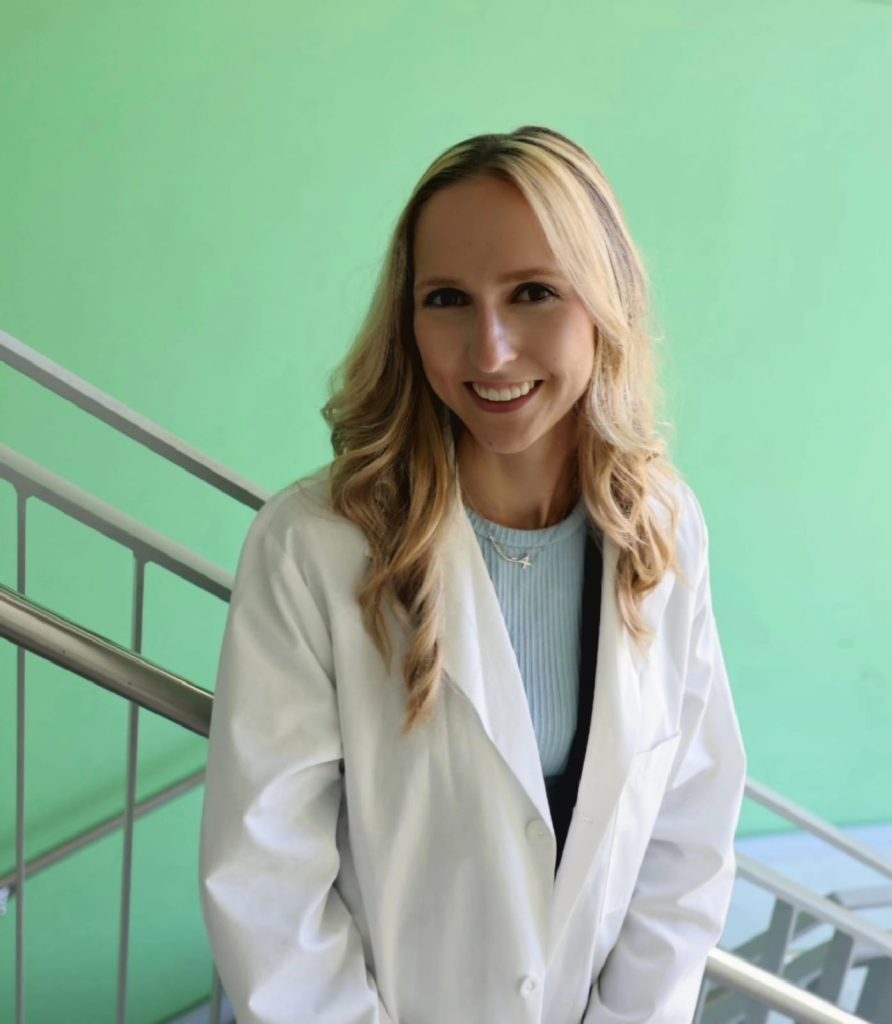
Abigail Fabiano, Biomedical Engineering
*under the supervision of Michael R. King
“Enabling Tools and Approaches for the Study of Mechanoadaptation and Apoptosis in Metastatic Cancer”
12.04.25 | 1:00 pm | Sarratt 189 | Zoom
Although fewer than 1% of circulating tumor cells (CTCs) that enter the bloodstream survive metastasis, metastatic disease accounts for ~90% of cancer-related deaths. In prostate cancer (PCa) patients, the 5-year survival rate drops by ~70% once the cancer spreads to form distant metastases. The biological mechanisms underlying this phenomenon remain poorly understood, due to the limited availability of patient-derived CTCs and suitable in vitro tools to model the dynamic circulatory environment. A unique subset of CTCs, termed “mechanoresistant (MR)”, can adapt to survive these forces, such as fluid shear stress (FSS) imparted by blood flow during colonization to distant sites in the body. Evidence has shown that CTC survival is facilitated by mechanotransduction, when cells transduce mechanical stimuli (such as FSS) into biochemical responses. My goal was to develop improved strategies to model physiological FSS in vitro and establish the first novel cell lines dedicated to study mechanoresistance and mechanoadaptation. Through this, I sought to identify more effective approaches to target solid tumors and prevent metastasis to bridge fundamental mechanobiology with translational platforms for cancer therapy. My research fabricated and characterized the first MR PCa cell lines through repeated FSS treatments, where I identified CALB2 as a unique mechanoresistance gene and therapeutic target. I also developed a high-throughput, multiplex method to subject cells to automated FSS in vitro, tailoring treatments to downstream assays that operate in a multi-well manner through scripting semi-automated protocols. TRAIL is a drug that induces apoptosis in cancer cells, and I showed that multi-well FSS can enhance TRAIL-mediated apoptosis through mechanical activation of the mechanosensitive ion channel, Piezo1 using the automated FSS protocols I developed at intensities not previously tested. Lastly, I showed that therapeutic, focused ultrasound (FUS) can non-invasively activate Piezo1, just as effectively as FSS, to enhance the TRAIL cytotoxicity using an in vivo model. This provides a clinically translatable multimodal therapy. The overall goal of this work was to elucidate novel therapeutic targets not previously studied while exploring combination therapies to decrease metastatic burden, that exploits tumor cell mechanotransduction.