
2025 Trainees
|
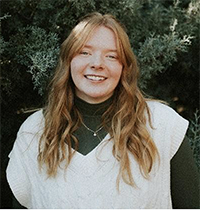
Genevieve Biberdorf
Mentor: Allison Walker |
|
|||
|
"Genome Mining of Pyrrole-Containing Antibacterial Natural Products" The increase in the number of antimicrobial-resistant pathogens has led to an increasing need for the development of new antibiotics. Natural products (i.e., substances found in nature that have not been appreciably modified by humans) have long served as a foundation for many approved and widely used antibiotics. Traditionally done by high-throughput screening, evaluating these products for drug development has become cost-intensive and laborious. As a result, the discovery of useful natural products dwindled. In response to this issue, computational methods have shown great success in identifying active metabolites produced by natural products. These methods include antiSMASH for predicting biosynthetic gene clusters (BGCs), machine learning for predicting activity, and Global Natural Product Social Molecular Networking (GNPS) for identifying BGC analogs. The goal of this study is to combine these computational methods with a stable isotope labeling approach to identify pyrrole-containing natural products. Pyrroles are frequently observed in compounds with antimicrobial and antifungal activity, and this work aims to explore whether their presence is predictive of biological activity. Using these computational methods combined with labeling of various Actinomycetes with [1-13C] acetate, [methyl-13C] methionine, [1-13C] propionate, and [1-15N] glutamate, mass spectrometry identified biosynthetic gene clusters featuring these ideal pyrrole containing compounds. The results demonstrate the ability of a combined computational approach with stable isotope labeling to correctly identify functional modalities needed for the development of necessary antibiotics.
Bio. Genevieve Biberdorf is a rising senior at Eastern Illinois University. Graduating with a |
|
|
|||

|
Sarah Breslow
Mentor: Renã A.S. Robinson |
|
|
||
|
"Qualitative Lipid Profiling and Quality Control Monitoring of Human Plasma" Lipidomics is a rapidly growing field supported by recent advancements in mass spectrometry (MS) and its ability to identify disease biomarkers. However, embedding quality control (QC) monitoring into MS lipidomics workflows is crucial to ensure integrity and reproducibility of data and to reduce variability in large-scale studies. Despite advancements in lipidomics QC, the lack of universal protocol requires each laboratory to individually develop and optimize QC methods. In this study, a tandem mass spectrometry (MS/MS)-based approach was used to analyze serially diluted lipids extracted via the Bligh-Dyer method from plasma standards and a QC pool of ~ 100 patient plasma samples. Samples were spiked with internal lipid standards. A targeted lipidomics approach using a multiple reaction monitoring method was used to analyze 1150 lipids. Reproducibility was evaluated using analyte peak areas obtained from 60 repeated injections of the QC pool sample across four days. We observed a linear relationship between concentration and the peak area of diacylglycerol, the most represented IS analyte in the plasma standard, but not for IS such as phosphatidylcholine and monoacylglycerol. We report 637 and 550 identified and quantifiable lipid species in the plasma standards, respectively; while 521 and 443 identified and quantifiable lipid species were found in the QC pool sample, respectively. Lysophosphatidylcholine (LPC) was the best represented IS in the QC pool. In this presentation, we will report interday and intraday coefficients of variation (%CV) for lipid standards. Our preliminary findings suggest that our method effectively identifies lipid species in blood plasma; however, significant variance within the QC pool over time emphasizes the necessity for thorough QC development and optimization in lipidomics. Bio. Sarah is a rising senior chemistry major with minors in mathematics, health studies, and classical studies from Fairfield University. She conducts research at Fairfield where she studies Solid-Phase Peptide Synthesis of peptides containing α,α-dialkylated amino acid residues. She and her research team published this work to the Journal of Visualized Experiments. Additionally, she received the American Chemical Society Award in Undergraduate Analytical Chemistry. After graduation, she plans to pursue a Ph.D. in chemistry. |
|
|
|||
|
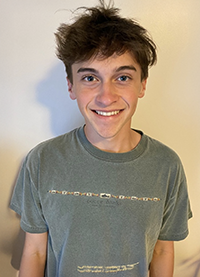
John Delaney
Mentor: Lauren Buchanan |
|
|
||
|
"The Kinetics of Aggregation of Insulin II B9-23 (R22E) Peptide Variant" The hormone insulin plays an essential role in glucose homeostasis. Insulin B9-23 peptides, the shortest biologically functional fragments of insulin, are recognized as antigens by CD4+ T cells, which cause autoimmune destruction of insulin-producing 𝛽-cells resulting in type-1 diabetes. The effect of insulin B9-23 peptides on the 𝛽-cells is unclear, but they are understood to form amyloid fibrils. Insulin II is a mouse homologue of human insulin, and the R22E variant has been shown to have a higher affinity for CD4+ T cells. Many techniques are utilized to study the aggregation pathway of amyloids; however, two-dimensional infrared spectroscopy (2D IR) can be used to calculate transition dipole strength (TDS) measurements, which quantify the vibrational coupling between modes. Furthermore, 2D IR spectra uniquely show cross peaks, which elucidate interactions and the coordination between coupled vibrational modes, particularly the amide-I modes associated with the carbonyl stretch of peptides. For these reasons, 2D IR is a powerful method of observing peptide structures and more complex protein systems, such as repeating 𝛽-sheets. Using 2D IR and TDS measurements, we examined the kinetics of aggregation of insulin II B9-23 (R22E) variant into amyloid fibrils. Bio. Jack is rising senior at Lafayette College in Easton, Pennsylvania studying a B.S. in biochemistry. He has worked in the lab of Dr. Justin Hines since January of 2023 working on and leading projects elucidating the interactions of prion diseases and chaperone proteins in Saccharomyces cerevisiae. Additionally, he is president of the McKelvy Scholars Program- Lafayette’s honors program, president of Lafayette’s American Chemical Society chapter, a supplemental instructor and teaching assistant for general chemistry courses and labs, a peer mentor for prospective chemistry undergraduate students, and an EXCEL and Bergh research fellow. Jack is currently conducting research in the Buchanan Lab at Vanderbilt University through the NSF’s REU program, studying insulin peptide amyloid formation and kinetics using 2D IR spectroscopy. |
|
|
|||
|
Anna Elizondo
Mentor: Alexander Schuppe |
|
|
||
|
"Synthesis of Marrulibacetal via g-hydroxylation of Carvone" Diterpenoid lactones are a class of plant derived natural products that feature a 20-carbon backbone and a lactone ring. These compounds have demonstrated a range of bioactivities, including anti-inflammatory, antioxidant, and neuroprotective effects, making them attractive targets in medicinal chemistry. However, their complex polycyclic structures present significant synthetic challenges. Previous syntheses of these molecules involve lengthy routes. Additionally, some key transformations in these strategies lack regio- or stereoselectivity, limiting their practicality. This work aims to address these limitations by developing an efficient and scalable synthesis beginning with commercially available (S)-carvone. A key transformation in the route is the installation of a -hydroxyl group on carvone via a vinylogous Mukaiyama O-nitroso-aldol reaction. To enable this transformation, the synthesis of the nitrosobenzene reagent was optimized. Following hydroxylation, a Steglich esterification is planned to advance the molecule toward lactone formation. Several ester analogs have been synthesized to explore strategies for constructing the lactone ring characteristic of diterpenoid lactones. The ability to construct this frame may facilitate broader biological studies and enable structural analog development. Bio. Anna Elizondo is an undergraduate student pursuing dual degrees in chemistry and biology at the University of Texas at San Antonio. Her research focuses on organic synthesis and enzymology, with experience in steroid synthesis. Anna has conducted research at UTSA in projects involving copper-catalyzed borylation and the synthesis of 1-hydroxytestosterone. She has presented at multiple national and regional conferences, including ABRCMS, SACNAS, and the Gulf Coast Undergraduate Research Symposium. Her work has been published in the Journal of Chemical Education and ChemRxiv. Beyond the lab, Anna is active in STEM outreach, serving as a mentor in the Rising Researchers program and volunteering with science education events in San Antonio. |
|
|
|||

|
Gavin Higgins
Mentor: Steven Townsend |
|
|
||
|
"Progress Towards the Total Synthesis of Alscholarine A" Natural products, with their complex structures and diverse bioactivity, are a valuable source of pharmaceutical compounds and biological probes. Additionally, their synthesis serves as a platform for developing novel synthetic methodologies. Recently, we took interest in the monoterpene indole alkaloid Alscholarine A, which incorporates a fused pentacyclic ring system with two distinct nitrogen heterocycles and four contiguous stereocenters. Preliminary bioactivity studies have shown that Alscholarine A possesses vasorelaxant and anti-inflammatory effects. Herein, we report progress toward a 13-step total synthesis of Alscholarine A, highlighted by key transformations including a hydrogen bond catalyzed double Michael addition and an iridium photocatalyzed ring closure to form Alscholarine A’s fused piperidine ring system. A densely functionalized key intermediate, the double Michael addition product, has been synthesized, and current efforts are focused on achieving the photocatalytic ring closure. Synthesis of this molecule would add potential therapeutic options, and importantly, establish a framework for creating and modifying similar highly functionalized compounds, enabling the exploration of new bioactive molecules. Bio. Gavin Higgins is a rising sophomore at Davidson College in North Carolina, where he studies chemistry and art. He is currently conducting research in Dr. Steven Townsend’s laboratory, working with Ph.D. student Chase Hamelink on the total synthesis of Alscholarine A. This fall, he will begin research in a glycosciences laboratory at Davidson, working on glycomimetic structures under the mentorship of Dr. Nicole Snyder. Originally from Nashville, Gavin graduated cum laude from the University School of Nashville. His academic interests include organic synthesis, glycoscience, and exploring the intersection of chemistry and art. |
|
|
|||
|
|
|
|
|||

|
Shelby Jenkinson
Mentor: Michael Stone |
|
|
||
|
"Thermal Destabilization of a Synthesized Mitoxantrone-DNA Duplex "
Mitoxantrone is a synthetic cancer drug used against leukemia and solid tumors. Its cytotoxicity is believed to be due to interference with the enzyme topoisomerase II, which is required for cell division. Carmelo Rizzo and co-workers (Vanderbilt University) showed that mitoxantrone forms a Schiff base when bound to abasic sites (AP sites). The potential role of such conjugates in cytotoxic response is not known. This study focused on the synthesis of the mitoxantrone-DNA adduct and reduction of the Schiff base to stabilize the conjugate to compare its thermal stability to the respective unmodified DNA duplex. Methods used in this study include the synthesis of a mitoxantrone-DNA duplex using a 12-mer DNA sequence modified with the replacement of a guanine with a uracil and its unmodified complementary strand, incubation with uracil DNA glycosylase, followed by incubation with mitoxantrone and sodium cyanoborohydride. This product was purified by reverse-phase HPLC, desalting, and hydroxyapatite purification. Next, timed, temperature-controlled experiments occurred alongside UV-Visual spectroscopy to obtain heating curves of both the mitoxantrone-DNA duplex and unmodified duplex with close concentrations. The synthesis of the mitoxantrone-DNA duplex was confirmed by HPLC and MALDI-mass spectrometry. The melting temperature experiments provided heating curves in which the first derivative graphs showed a lower melting temperature for the mitoxantrone-DNA duplex in comparison to the unmodified DNA duplex. This shows lower thermal stability of DNA when mitoxantrone forms these DNA adducts. The lower stability may contribute to its cytotoxicity. Bio. Shelby Jenkinson is an intern through the NSF Vanderbilt Chemical Biology REU. She is a senior at Trevecca Nazarene University double majoring in chemistry and biology with a minor in math. There she is a McClurkan scholar and a part of their American Cancer Society chapter, serving as their secretary last year. She has maintained a 4.0 and Dean’s list recognition throughout her years at Trevecca. She serves as a teacher’s assistant to three departments simultaneously: chemistry, biology, and math. She prepares solutions and laboratory materials and assists in leading laboratory classes for general biology courses. Shelby also grades calculus work and aids students in their studies as a tutor for chemistry, math, and physics. |
|
|
|||
|
|
|
|
|||

|
Jocelyn Leal
Mentor: Steven Townsend |
|
|
||
|
"Investigating the Effects of Human Milk Oligosaccharides on Biofouling" Human Milk Oligosaccharides (HMOs) are the third most abundant macromolecule in human breast milk and have been proven to have antibiofilm properties. To investigate these properties further, we wanted to leverage the antiadhesive property of HMOs against boat biofouling, which is the buildup of bacterial biofilms on the bottom of ship hulls. This buildup provides the foundation for attachment of other macrofoulers (barnacles, muscles etc.), causing decreased speeds and expensive damages. After HMO isolation from whole breast milk samples, we first tested the leeching capabilities of HMOs out of the paint using NMR and TLC data. We found that the HMOs were stationary in the paint over three weeks. Second, we tested to see if the HMOs maintained their antibiofilm properties in ocean water by utilizing toy boats covered in paint with either no additive, HMOs, or cuprous oxide, the current, however toxic, standard for anti-fouling. Due to the large variability of our ocean water sample, we were unable to see any clear biofilm formation on the boats themselves, and the amount of matter in the specific water samples themselves increased from control to experimental groups. To properly test for biofilm formation in the future, it would be better to build an “ocean” inoculated with specific bacteria to ensure the buildup of biofilm and more conclusive results. Bio. Jocelyn Leal is entering her senior year of undergrad at Haverford College, where she is pursuing a major in chemistry with a biochemistry concentration and a minor in health studies. At Haverford, she was recently hired as a Co-Head of Residential Life, and last summer she received the Frances Velay Women’s Science Research Fellowship to pursue an internship with the Drexel Food Lab. Outside of science she is also on the varsity softball team at Haverford, where she has been honored with two consecutive Academic All-District awards. She is currently conducting research in Dr. Steven Townsend’s Lab under PhD candidate Julie Talbert on the anti-bacterial and anti-biofilm properties of HMOs. In the fall, she will begin her thesis work in the lab of Dr. Yiming Wang doing research on nanoclusters as electrochemical sensors. |
|
|
|||
|
|
|
|
|||

|
Ella Montgomery
Mentor: John McLean |
|
|
||
|
"Chiral Ion Mobility: Developing a Rapid Assay to Probe for Enantioselectivity using Ion Mobility-Mass Spectrometry" Molecular chirality plays an important role in drug discovery. While one enantiomer can exhibit desirable therapeutic effects, its chiral counterpart can exhibit limited bioactivity or even detrimental effects. Thus, developing rapid analytical probes for chirality represents a significant challenge for the pharmaceutical industry. An emerging chiral separation method relies on ion mobility-mass spectrometry (IM-MS) combined with solution-phase complexation strategies, which can impart enantiospecific structural differences. Importantly, these structural differences can be directly resolved with structurally selective IM-MS instrumentation. In a previous approach, complexation to copper and an amino acid chiral reference ligand enabled direct resolution of racemic drug mixtures. However, this method displays limited throughput due to the extensive screening process required to determine whether a chiral drug is amenable to separation using a given complexation modality. This is particularly daunting given the sheer substrate scope of possible metals, chiral reference ligands, and chiral drugs. Here, we report a rapid assay for chiral IM separations that employs a 1:1 mixture of D- and L-amino acids to access both gas-phase chiral conformations for ternary copper complexes, thereby decreasing screening time by a factor of 3. We first present proof-of-concept for this assay, comparing results with data obtained using conventional techniques. Next, we present preliminary findings from a high-throughput screening for chiral IM separations using the assay. Future directions include incorporating a broader panel of chiral drugs for screening and implementing protocols to quantify enantiomeric excess in assayed samples. Bio. Ella Montgomery is an undergraduate researcher with research and laboratory experience in both analytical and organic chemistry. She is majoring in chemistry with a concentration in medicinal chemistry at Wake Forest University and is about to enter her 3rd year at the institution. Ella is most interested in researching pharmaceutical drugs and has worked on projects involving their synthesis as well as their characterization. She is pursuing graduate studies and aims to become a professional researcher, joining the effort to better understand the chemistry behind therapeutic drugs that are used by millions every single day. |
|
|
|||
|
|
|
|
|||
|
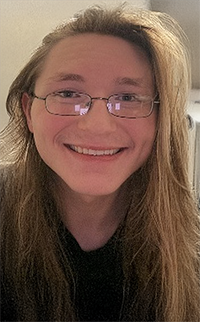
Griffin Point
Mentor: Nathan Schley
Home Institution: Motlow State Community College
|
|
|
||
|
"Synthesis of 2,2’-Dipyridyl(3-fluoroaryl)methane Ligands for sp3 C–H Borylation" Dipyridylarylmethane ligands at the Schley lab have provided an effective catalyst system for the iridium-catalyzed borylation of alkyl C–H bonds. C–H borylation is a useful tool for synthetic chemists as organoboronate products have been utilized for their versatile reactivity. Substitutions around the ligand scaffold have helped improve the catalyst's ability to activate typically inactive sp3 C–H bonds through an isolable ligand-bound iridium hydridoboryl complex. Under conditions with excess substrate, ligands have enabled an improved yield exceeding 1 equivalent of product formation from the generated HBpin byproduct. With near-limiting amounts of substrate in cyclic alkane solvent, these reactions only achieve the first equivalent of product formation. This summer, my work focused on the synthesis and characterization of several ligands, purifying them by column chromatography, and confirming their purity by NMR spectroscopy. Additionally, an effort was made in developing a method to purify the crude alkyl boronate products for isolated yields. Ongoing research is aimed at synthesizing further ligand variants and evaluating performance through more catalytic trials in hopes of developing a more active catalyst system for a broader substrate scope. Bio. Griffin Point is an incoming junior transfer student to the University of Tennessee at Chattanooga. He graduated from Motlow State Community College with an associate's degree in chemistry. |
|
|
|||
|
|
|
|
|||
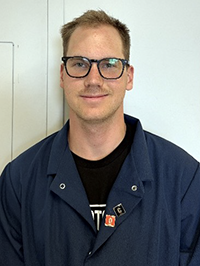
|
Chase Pyrah
Mentor: Jeffrey Johnston |
|
|
||
|
"Progress Towards the Total Synthesis of Cochinmicin I" Cochinmicin I is a non-ribosomal cyclic depsipeptide with potent endothelin receptor antagonist (ERA) activity. It features two dihydroxyphenylglycine (Dpg) residues and a pyrrole-2-carboxylic acid moiety, assembled into a macrocycle through both amide and ester linkages. We have demonstrated the use of Umpolung Amide Synthesis (UmAS) to construct aryl glycinamides such as feglymycin—a linear aryl glycine-rich tridecapeptide—without the use of high molecular weight coupling reagents. However, aryl glycine esters remain challenging to access due to their tendency to epimerize and susceptibility to hydrolysis. Here, we employed modern Yamaguchi and Mitsunobu esterification techniques to explore the formation of aryl glycine esters. Furthermore, we investigated anhydrous UmAS conditions to preserve the ester linkage during amide bond formation. Together, these efforts are aimed at advancing an efficient and stereocontrolled total synthesis of cochinmicin I. Bio. Chase Pyrah is an undergraduate chemistry student at Utah State University, he anticipates his B.S. Chemistry degree in spring 2026. There, he conducts research under Dr. Lisa Berreau, focusing on the synthesis and mechanistic studies of light-triggered carbon monoxide releasing molecules. He is currently conducting summer research at Vanderbilt University in the Johnston labratory through the NSF REU program. |
|
|
|||
|
|
|
|
|||

|
Bree Steinfeldt
Mentor: David Cliffel
|
|
|
||
|
"Developing an Electrochemical Metabolite Sensor for Fetal Membrane-On-A-Chip Applications" This project focused on the development of enzyme-based electrochemical sensors to monitor metabolite changes for a fetal membrane-on-a-chip (FMOC) to study interactions between maternal and fetal cells. By comparing signals from within the cell chamber and downstream, we aim to determine any significant difference between the two and use our findings for application to FMOC. Two different designs of electrodes from Pine Industries were silver-plated and functionalized with lactate oxidase and tested using lactose dilutions in RPMI 1640 media. Lactate oxidase was selected as the enzyme of interest because its activity indicates oxidative stress. VIIBRE microvalves and pumps were used to control the flow of the lactose dilutions while the CHI 1030 and 1440 potentiostats recorded electrochemical responses to generate a calibration curve. A successful calibration curve has not yet been achieved. Current troubleshooting efforts involve testing fresh lactose, adjusting electrode cleaning methods, and purchasing new lactate oxidase. Our goal is to determine the optimal lactate oxidase concentration in RPMI media and achieve a reproducible, linear range for metabolite detection. Although a stable calibration curve has yet to be established, current troubleshooting efforts are guiding improvements in sensor reliability. Optimizing enzyme concentration and refining experimental conditions will be key steps toward enabling consistent metabolite detection for application in fetal membrane-on-a-chip systems. Bio. Bree is a rising senior at Ouachita Baptist University in Arkadelphia, Arkansas where she is a double major in Chemistry and Biology. She is the current president of her ACS student chapter and focuses on outreach in rural schools. Bree has completed research with Dr. Sara Hubbard at Ouachita in analytical chemistry. Her research focused on analyzing the amount of Bisphenol-A in women’s athletic wear using fluorescent spectroscopy. She has presented her research at regional and national ACS meetings as well as state-wide conferences. She has won ACS Southwestern Regional Meeting Second Place Oral Presentation Award and Arkansas INBRE First Place Oral Presentation Chemistry Award. Bree is also a supplemental instructor for Organic Chemistry I & II and tutors other subjects. Bree plans to pursue a graduate degree in chemistry, with the long-term goal of entering academia and establishing her own research laboratory. |
|
|
|||
|
|
|
|
|||

|
Sophi Theriault
Mentor: Brian Bachman
|
|
|
||
|
"Identification and Functional Analysis of Enzymes Involved in K-26 Biosynthesis in Astrosporangium hypotensionis" In this study, we investigated the biosynthetic machinery of the phosphonopeptide K-26, a nanomolar angiotensin converting enzyme inhibitor produced by Astrosporangium hypotensionis. K-26 consists of N-acetylated isoleucine, tyrosine, and the non-proteinogenic amino acid (R)-1-amino-2-(4-hydroxyphenyl)ethylphosphonic acid (AHEP). Bioinformatic analysis of the producing organism’s genome revealed a gene cluster of interest containing three genes of interest. Gene GBKDDPCE_01640 encodes a protein with both AAT_like/HisC and SAM-binding domains, suggesting a role in AHEP formation from tyrosine. Translated genes GBKDDPCE_01637 and GBKDDPCE_01638 share 41% and 47% homology with the genes responsible for encoding AglL and AglC, tRNA synthetase dependent GNAT-family enzymes known for catalyzing amide bond formation in phosphonopeptide biosynthesis. We hypothesize that this region is responsible for K-26 biosynthesis, with ‘01640 employing a novel mechanism of phosphonate bond formation with AHEP biosynthesis. The three enzymes, along with corresponding tRNA synthetases for Ile and Tyr, were heterologously expressed and purified from E. coli BL21(DE3). Biochemical assays monitored by UPLC-HRMS were used to assess ‘01640’s activity in AHEP synthesis. Results are expected to show catalytic function for ‘01640. The tyrosine and isoleucine addition is expected to be mediated by '01637 and ‘01638; however, further studies will determine their substrate specificity and functional redundancy.
Bio. Sophi Theriault is a biochemistry student at California State University San Marcos, where she conducts undergraduate research, investigating the synthesis of mimetic enzyme iron-sulfur complexes. She has presented her work at the 2025 Emerging Researcher’s National Conference and the CSUSM CSTEM R&D Day. As a founding member of the Chemistry Biochemistry Academic Association (CBAA) and a lead tutor for the STEM Success Center, she is committed to peer mentorship and scientific community building. Sophi’s academic dedication and leadership reflect her passion for advancing inclusive and collaborative science. She plans to pursue a Ph.D. in chemistry with a focus on natural products, aiming to contribute to a research community that broadens scientific understanding through a faculty role at a research-focused institution.
|
|
|