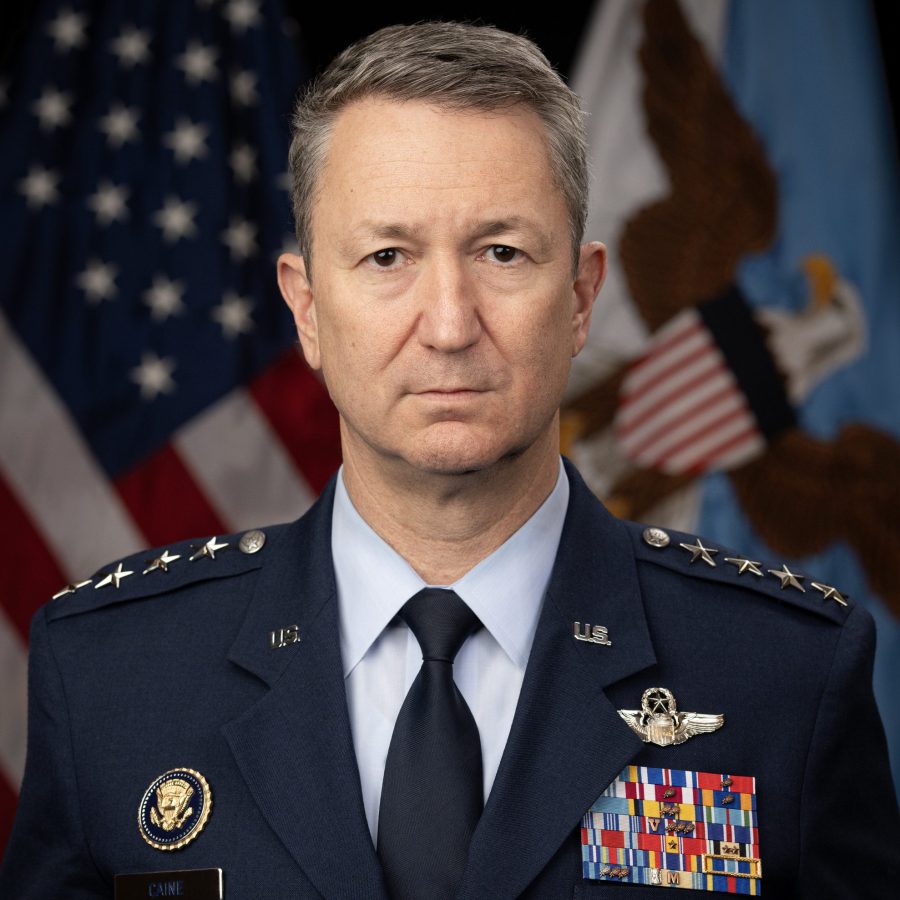
Keynote Speaker: General Dan Caine
Chairman, Joint Chiefs of Staff
General Dan Caine is the 22nd Chairman of the Joint Chiefs of Staff, the nation's highest-ranking military officer, and the principal military advisor to the President, Secretary of War, and National Security Council.
Prior to becoming Chairman on April 11, 2025, General Caine was the Associate Director for Military Affairs at Central Intelligence Agency.
He has served in a wide range of operational, staff and joint assignments, primarily as an F-16 fighter pilot, weapons officer, member of the White House staff and special operations officer.
General Caine was commissioned in 1990 through the ROTC program at the Virginia Military Institute, and he has an MA in Air Warfare from the American Military University. He has completed a range of national security and leadership courses, including Harvard Kennedy School's course for Senior Executives in National and International Security, and the Syracuse University Maxwell School's Program on National Security.
As a Command Pilot, he has logged more than 2,800 hours in the F-16, including more than 150 combat hours. From 2009-2016, Caine was a part-time member of the National Guard and a serial entrepreneur and investor.

Keynote Speaker: General Michael Kurilla (Ret.)
General (Ret.), U.S. Army; Former Commander, U.S. Central Command
Michael “Erik” Kurilla, a retired U.S. Army General, is a Senior Advisor for several US Companies, a distinguished fellow at The Washington Institute for Near East Policy, and serves on the Board of Directors for two non-profit companies that help our Service-members and their families. He most recently served as the 15th Commander of United States Central Command (CENTCOM) for the last three and half years from 2022-2025.
Previously, he commanded the XVIII Airborne Corps, 82nd Airborne Division, the 75th Ranger Regiment and was the Director of Operations and Assistant Commanding General for Joint Special Operations Command. Over a career spanning four decades, he led Airborne, Ranger, Joint Special Operations Forces, Mechanized, and Stryker units in combat and operational deployments across the globe. General
Kurilla has been a driving force in innovation and technology initiatives that significantly
advanced warfighting capabilities across the Department of Defense. He was wounded twice in combat and was involved in some of the most strategic and consequential missions affecting the United States and regional security and stability.
General Kurilla was commissioned from the United States Military Academy at West Point in 1988. He holds a B.S. in Aerospace Engineering from West Point, an M.B.A. from Regis University, and an M.S. in National Security Studies from the National War College.
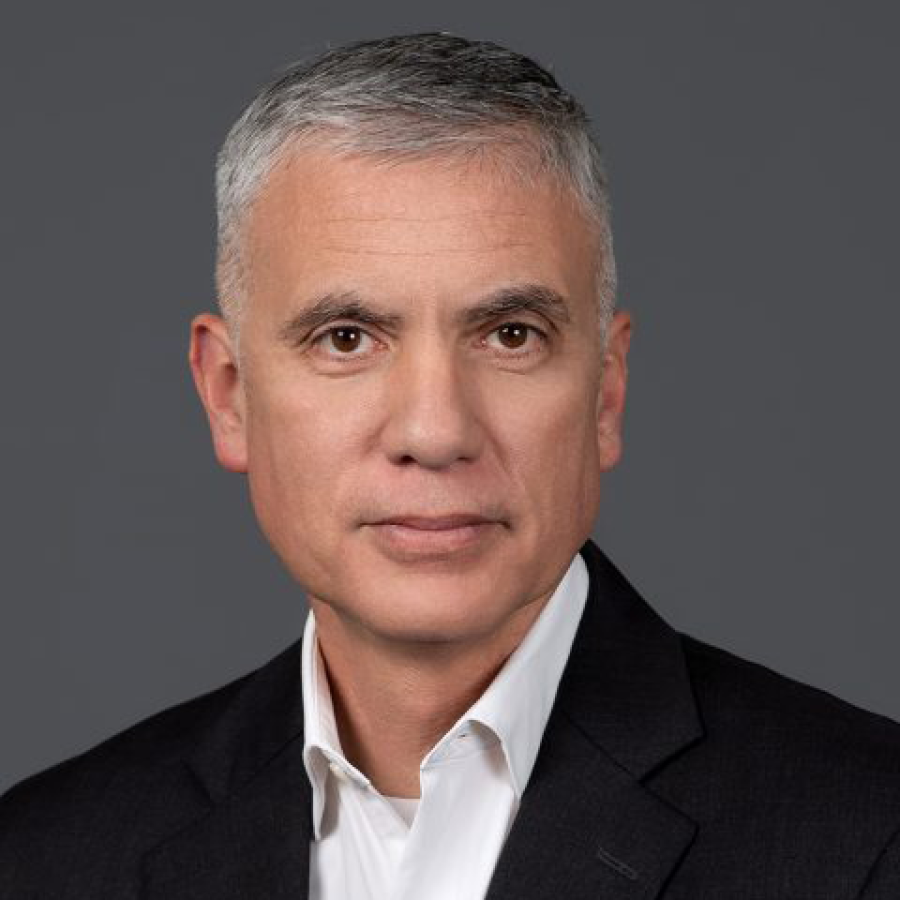
Keynote Speaker: General Paul M. Nakasone (Ret.)
Founding Director, Vanderbilt University Institute of National Security; Former Director, National Security Agency; Former Commander, U.S. Cyber Command
General Paul M. Nakasone, a retired U.S. Army four-star general, serves as the founding director of Vanderbilt University's Institute for National Security. He is also a distinguished research professor of engineering science and management and special adviser to the chancellor. From 2018 to 2024, Nakasone led the U.S. Cyber Command and the National Security Agency, overseeing national cyber defense and global signals intelligence operations. A career military leader with more than three decades of experience, he has commanded at all levels, with deployments to Iraq and Afghanistan, and has held key intelligence and joint staff roles. He currently sits on the board of OpenAI. A Minnesota native, he holds advanced degrees from USC, the National Defense Intelligence College and the U.S. Army War College.
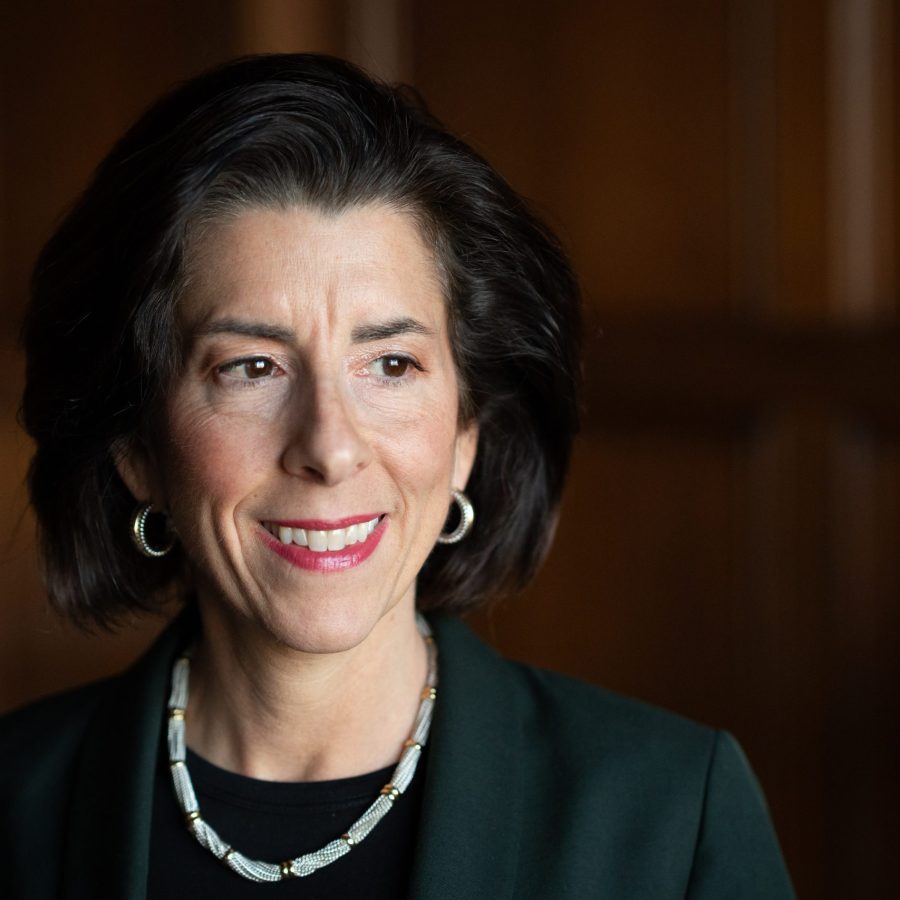
Keynote Speaker: Gina Raimondo
Distinguished Fellow, Council on Foreign Relations (CFR); Former U.S. Secretary of Commerce
From March 2021 through January 2025 Raimondo served as the United States Secretary of Commerce. As secretary of commerce, she was focused on a simple but vital mission — make America more competitive by spurring good-paying jobs, empowering entrepreneurs to innovate and grow, and advancing economic and national security. The Department of Commerce, under her leadership, made historic investments in Internet access, manufacturing, economic development, workforce training, supply chain resiliency, and climate readiness through the implementation of the Bipartisan Infrastructure Law, the CHIPS and Science Act, and the Inflation Reduction Act.
Secretary Raimondo also took a leading role in ensuring the responsible development of artificial intelligence. Under her leadership, the Department released industry-standard guidance on topics ranging from red teaming, to generative AI, and synthetic content, spearheaded federal efforts to mitigate national security threats presented by AI, and launched the international network of AI Safety Institutes.
Raimondo was the seventy-fifth governor of Rhode Island and its first woman governor. As governor, she kick-started the state’s economy and made record investments in infrastructure, education, and job training by focusing on creating economic opportunities and good-paying jobs for all Rhode Islanders. She was re-elected by the widest margins in a generation and the first governor of Rhode Island in decades to win the majority of the vote.
Prior to her role as Governor, Raimondo was elected to serve as general treasurer of Rhode Island, receiving the largest number of votes of any statewide candidate.
Raimondo earned her BA in economics from Harvard University and a PhD from Oxford University through a Rhodes Scholarship. She is a graduate of Yale Law School and clerked for U.S. District Judge Kimba Wood.
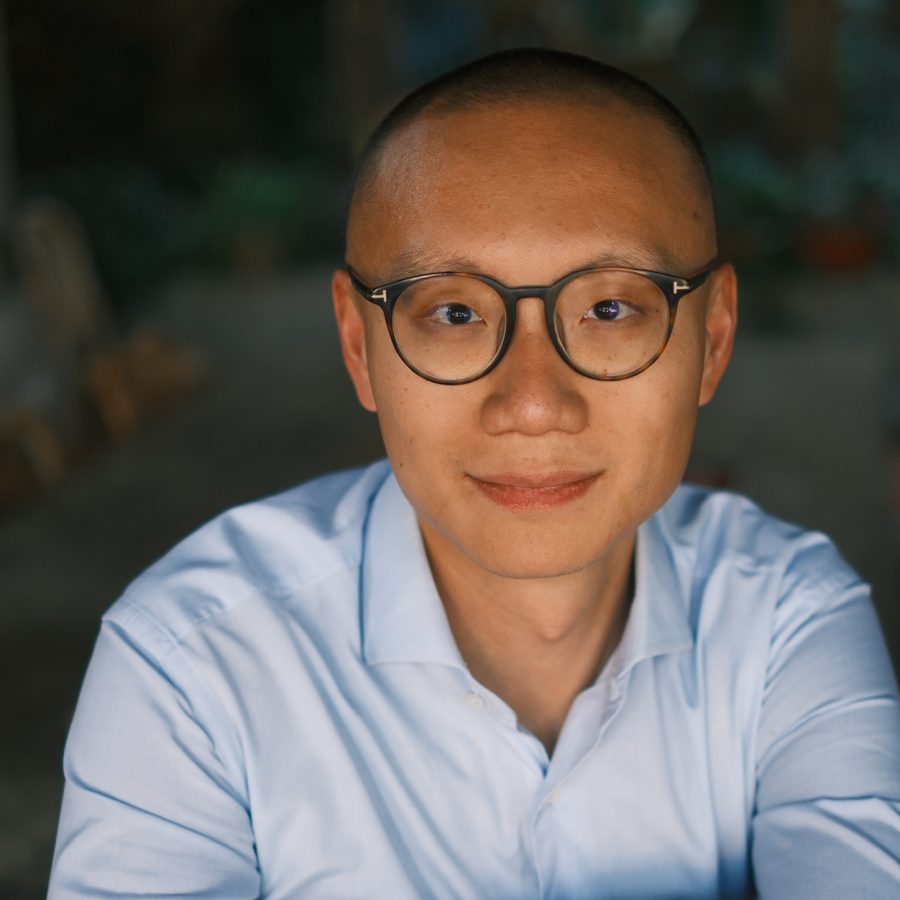
Keynote Speaker: Dan Wang
Research Fellow, Stanford Hoover Institution; NYT Bestselling Author
Dan Wang is a research fellow at Stanford’s Hoover Institution. He is the author of Breakneck: China’s Quest to Engineer the Future, a New York Times bestseller and a finalist of the Financial Times business book of the year prize. Dan was previously a fellow at the Yale Law School’s Paul Tsai China Center, and, from 2017 to 2023, he worked in China as the technology analyst at Gavekal Dragonomics. Dan is the author of a widely circulated annual letter on China. His essays have appeared in New York Times, Foreign Affairs, the Financial Times, New York Magazine, and The Atlantic. He studied philosophy at the University of Rochester. Dan is based in Ann Arbor and Palo Alto.

Speaker: Douglas Adams
Executive Director, Institute of National Security, Vanderbilt University; Distinguished Professor of Civil and Environmental Engineering and Professor of Mechanical Engineering, Vanderbilt University
Dr. Adams is the Daniel F. Flowers Professor and Distinguished Professor of Civil and Environmental Engineering and Professor of Mechanical Engineering at Vanderbilt University, and he serves as Executive Director for Vanderbilt’s new Institute of National Security.
His research in structural health monitoring develops resilient materials and machines through the use of novel sensing and system identification techniques that enable unprecedented performance of engineered systems while ensuring their safety and cost-effectiveness. His team has supported the development of many platforms utilized by the US Armed Forces including several aircraft like the UH60 Blackhawk and CH53K King Stallion and ground systems like the Stryker Vehicle. He founded and co-directs the 20,000 sq ft Laboratory for Systems Integrity and Reliability focused on demonstrating research-based solutions at a realistic scale in defense, energy, and manufacturing applications.
He serves as a Technical Fellow for the $259M Department of Energy Institute for Advanced Composites Manufacturing Innovation, which involves collaborations with Oak Ridge National Laboratory and University of Tennessee and serves over 130 industry partners. He has written 270 papers, been awarded 10 patents, and authored a textbook on structural health monitoring as well as several book chapters, including chapters on damage prognosis in aerospace structures and structural health monitoring of wind turbines. He has supervised 59 M.S. and Ph.D. students and 62 undergraduate research assistants.
Research awards he has received include the Presidential Early Career Award for Scientists and Engineers, Society of Experimental Mechanics DeMichele and Lazan Awards, Structural Health Monitoring Person of the Year Award, and he was elected a Fellow of American Society of Mechanical Engineers, Society for Experimental Mechanics, and American Association for the Advancement of Science. He teaches courses in dynamic systems and has won awards for classroom and online teaching along with being elected to the Purdue Book of Great Teachers.
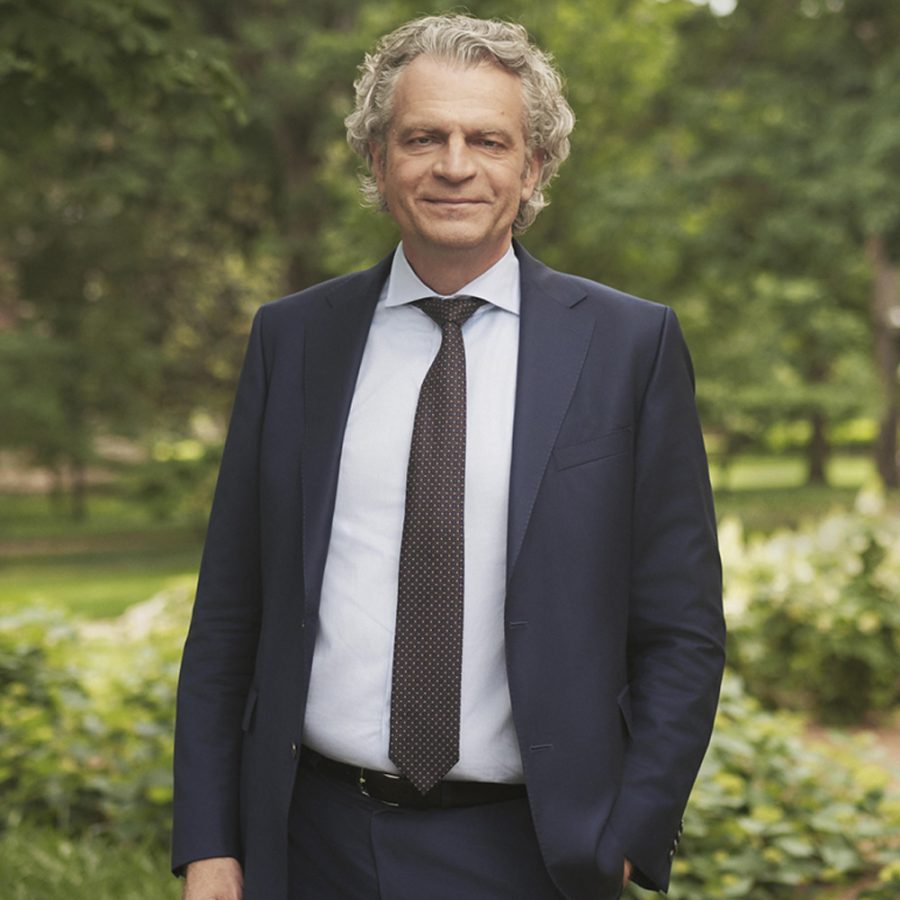
Speaker: Daniel Diermeier
Chancellor, Vanderbilt University
An internationally renowned political scientist, management scholar and visionary leader,
Diermeier is Vanderbilt’s ninth chancellor.
Vanderbilt named Diermeier chancellor in late 2019 after an extensive search by the Board of Trust. In May 2024, the Board of Trust extended Diermeier’s contract until 2035 “as a demonstration of our confidence in Chancellor Diermeier’s leadership and to support the realization of his long-term vision for the university.
Upon stepping into his role in July 2020, Diermeier immediately committed to safely and successfully bringing students back to campus during the COVID-19 pandemic, making Vanderbilt one of a very small number of the nation’s best universities to do so. Today, in the spirit of Vanderbilt’s motto, Crescere aude, or “dare to grow,” Diermeier leads an ambitious program of expansion and improvement, driving efforts to create a culture of radical collaboration and personal growth and to increase Vanderbilt’s presence and reputation both nationally and globally. During a time of unprecedented criticism of higher education, and with society facing urgent and even existential challenges, Chancellor Diermeier has been nationally recognized as a leader in free expression and civil discourse on college campuses and has eloquently made the case for the social value of universities and their unique role as engines of innovation, exemplars of civil discourse and educators of tomorrow’s leaders.
Since Diermeier was named chancellor, Vanderbilt has become a destination for the most promising students and faculty, attracting a record number of admissions applications, posting its highest percentage of admitted students attending and expanding financial aid through Opportunity Vanderbilt. It has topped the $1 billion mark in external research funding and set a university record for licensing revenue—surpassing traditional innovation leaders Stanford and MIT. Vanderbilt’s endowment has grown from $6.9 billion to more than $10 billion since Diermeier’s arrival and, in 2023, Vanderbilt launched a record $3.2 billion fundraising campaign, including Vandy United, a $300 million effort to re-imagine Vanderbilt athletics. In 2022, the university launched Discovery Vanderbilt, a multimillion-dollar investment to ignite and expand the university’s capacity for innovation and discovery across disciplines. Clinton Global Initiative University selected Vanderbilt as its host in 2023, the same year the university launched a landmark celebration of its Sesquicentennial. In 2024, Vanderbilt announced it was a establishing the College of Connected Computing, its first new college since 1981.
Beyond campus, Chancellor Diermeier has spearheaded efforts to increase cross-sector collaboration and employ Vanderbilt’s innovative capacity to expand Middle Tennessee’s innovation economy. In the summer of 2024, Vanderbilt and the office of Nashville Mayor Freddie O’Connell established the Nashville Innovation Alliance, which aims to bring together public, private, civic and education institutions to collaborate in improving the region’s ecosystem for innovation and research. Diermeier has also grown partnerships and collaboration with the U.S. military and national security agencies. He has driven development of the annual Vanderbilt Summit on Modern Conflict and Emerging Threats and established the Vanderbilt Institute for National Security. He led development of the Vanderbilt Project on Unity and American Democracy and, in the fall of 2023, oversaw the launch of Dialogue Vanderbilt, a multifaceted initiative to promote civil discourse on campus and affirm Vanderbilt’s long-standing commitment to free expression.
In 2024, Vanderbilt introduced Nashville Vanderbilt Scholars, a partnership with Metro Nashville Public Schools that covers the direct costs of attending Vanderbilt for any MNPS students admitted to Vanderbilt through the early decision process who also qualifies for a Federal Pell Grant or whose parent income is $100,000 or less. In addition to his role as chancellor, Diermeier is University Distinguished Professor in the Owen Graduate School of Management and Distinguished University Professor of Political Science in the College of Arts & Science. He is a fellow of the American Academy of Arts and Sciences and the Guggenheim Foundation. He has published six books and more than 100 research articles in academic journals—mostly in the fields of political science, economics and management, but also in linguistics, sociology, psychology, computer science, operations research and applied mathematics.
Throughout his career, Diermeier has proven to be a bold innovator, combining excellence as a leader, researcher and teacher with an entrepreneurial mindset. Before arriving at Vanderbilt, Chancellor Diermeier served in leadership roles at the Stanford Graduate School of Business, the Kellogg School of Management at Northwestern University and at the University of Chicago, where he served as dean of the Harris School of Public Policy. Chancellor Diermeier also served as director of the Ford Motor Co. Center for Global Citizenship and, in 2007, received the Aspen Institute’s Faculty Pioneer Award, called “the Oscars of the business school world” by the Financial Times.
A first-generation college graduate, Chancellor Diermeier earned a Ph.D. in political science from the University of Rochester. He also holds master’s degrees in political science from the University of Rochester and the University of Munich, and he earned a master’s degree in philosophy from the University of Southern California.

Summit Moderator: Niloofar Razi Howe
Special Advisor to the Chancellor, Vanderbilt University, Senior Operating Partner, Energy Impact Partners
Niloofar Howe has been an investor, executive and entrepreneur in the technology industry for the past 30 years, with a focus on Cybersecurity for the past 20. Ms. Howe is an Operating Partner at Capitol Meridian Partners investing in companies at the intersection of government and technology. She serves on the Board of Directors of Morgan Stanley Private Bank, NA and Morgan Stanley Bank, NA, Pondurance (as Executive Chair), Tenable (NASDAQ: TENB), Composecure (NASDAQ: CMPO), Recorded Future, NetSPI, TAMR and on the Board of Advisors of Hidden Layer, Blackbird.ai, Altana.ai, Dragos, Enveil, Noetic Cyber, Red Queen Dynamics, and Picnic. She is a life member at the Council on Foreign Relations and a Fellow at the International Security Program at New America, a nonprofit, nonpartisan think tank. Her non-profit work includes serving on the board of IREX, an international development and education organization working in over 120 countries focused on promoting social justice and lasting change, and as a Member of the Board of Trustees of the Smithsonian National Museum of Asian Art. Ms. Howe serves on a number of US government advisory boards, including the Department of Homeland Security’s Cybersecurity Infrastructure Security Agency’s Advisory Council as well as the Department of Defense.
Previously, Ms. Howe served as Chief Strategy Officer and SVP of Strategy and Operations at RSA, a global cybersecurity company where she led corporate strategy, corporate development and planning, business development, global program management, business operations, security operations, and Federal business development. Prior to RSA, Ms. Howe served as the Chief Strategy Officer of Endgame, Inc., a leading enterprise software security company, where she was responsible for driving market and product strategy, as well as leading marketing, product management, corporate development, and planning. Prior to her operating roles, Ms. Howe spent twelve years leading deal teams in private equity and venture capital; first as a Principal at Zone Ventures, an early-stage venture capital firm in Los Angeles, and then as Managing Director at Paladin Capital Group, a Washington DC based private equity fund focused on investing in next generation security companies. Ms. Howe started her professional career as a lawyer with O’Melveny & Myers and as a consultant with McKinsey & Co.
Ms. Howe’s previous board roles include serving on the Board Directors of Initiate Systems (acquired by IBM), Courion Corporation (acquired by K1 Investment), Command Information (acquired by Salient), Safeview (acquired by L-3), Neven Vision (acquired by Google), Global Rights, an international human rights organization, as Chair, Sibley Memorial Hospital (a member of Johns Hopkins Medicine), as chair of its Investment Committee, and Sibley Memorial Hospital Foundation, as Vice Chair. Ms. Howe graduated with honors from Columbia College and holds a JD cum laude from Harvard Law School.
Ms. Howe speaks regularly on national security, cybersecurity, technology, innovation, corporate governance and corporate culture. She also created a TEDx talk entitled “The Gift of Exile” about the long-term opportunities that can arise from the most difficult challenges encountered in childhood for both the individuals who suffer the adversity and the communities that can accept and integrate such individuals. She is a regular judge at innovation competitions, including the RSA Conference Innovation Sandbox Competition and the RSA Conference Launchpad Competition.

Summit Moderator: Dr. Tiffiny Tung
Vice Provost for Undergraduate Education, Vanderbilt University
Tiffiny Tung is the Vice Provost for Undergraduate Education and Ingram Chair in Anthropology. She oversees key areas of undergraduate education, including support for student research and faculty mentors. She works with all schools and colleges to ensure robust advocacy for Vanderbilt undergraduates and provides leadership for academic programming and Faculty Heads in the Residential College system. Her portfolio also encompasses the campus units that deliver experiential learning opportunities at Vanderbilt and in global settings.
She was the Chair of the Department of Anthropology, Associate Provost for Doctoral Education, and the Chair of the Faculty Council in the College of A&S. She has received the Graduate Mentoring Award from the College of A&S, the Mentoring Award from the Margaret Cuninggim Women’s Center, the Chancellor’s Cup for excellence in student learning outside the classroom, and the Madison Saratt and Jeffrey Nordhaus teaching awards. Tung is an anthropological bioarchaeologist who explores how society structured health outcomes for populations in the past. In particular, she examines how past instances of state power, imperialism, and colonialism impacted (and continue to impact) people and their communities. She evaluates these topics by analyzing mummies and skeletons from archaeological contexts, primarily in the Peruvian Andes, to investigate how imperial policies and practices structured health status, diet, exposure to violence, and lived experience of ruling and subject peoples.
She is also the Director of the Bioarchaeology and Stable Isotope Research Lab, where numerous undergraduate and PhD students have conducted research. She is the author of the book Violence, Ritual, and the Wari Empire (University Press of Florida, 2012) and has authored or co-authored approximately 60 peer reviewed articles in journals and edited volumes.

Session Chair: Lieutenant General Ed Cardon (Ret.)

Session Chair: Lieutenant General Charlie “Tuna” Moore (Ret.)
Distinguished Visiting Professor, Vanderbilt University; Former Deputy Commander, U.S. Cyber Command
Retired Lt. Gen. Charles L. Moore Jr. was the Deputy Commander, U.S. Cyber Command, Fort George G. Meade, Maryland from 2020 until 2022. USCYBERCOM directs, synchronizes and coordinates cyberspace planning and operations to defend and advance national interests in collaboration with domestic and international partners.
Lt. Gen. Moore was commissioned in 1989 after graduating from the U.S. Air Force Academy. He has served as an F-16 fighter pilot, instructor pilot, weapons officer, forward air controller and instructor at the U.S. Air Force Fighter Weapons School, Nellis Air Force Base, Nevada. His command experience includes the 555th Fighter Squadron, Aviano Air Base, Italy; 332nd Expeditionary Operations Group, Balad Air Base, Iraq; 20th Fighter Wing at Shaw AFB, South Carolina and the 57th Wing at Nellis AFB, Nevada. Prior to this position, Lt. Gen. Moore served as the Director of Operations, U.S. Cyber Command.
Lt. Gen. Moore is a command pilot with more than 3,000 hours in the F-16 and more than 640 hours of combat time.

Session Chair: Gillian Tett
Provost, King’s College, Cambridge,
Columnist and Editorial Board Member, Financial Times
Gillian Tett serves as Provost of King’s College, Cambridge University in the UK, while also writing a weekly op-ed column for the Financial Times on global finance and business. She is a member of the FT editorial board.
Before her role at Cambridge, she chaired the FT editorial board, US, and during the last decade has written two weekly columns, covering a range of economic, financial, political and social issues. She also co-founded FT Moral Money, a thrice weekly newsletter that tracks the ESG revolution in business.
Tett was the FT’s US managing editor from 2013 to 2019. She has also served as FT’s financial editor, capital markets editor, acting editor of the Lex column, Tokyo bureau chief, economics reporter and a reporter in Russia and Brussels.
Tett is the author of Anthro-Vision, A New Way to See Life and Business published in 2021, which won the Porchlight best business book award and the Columbia Business School Eccles prize. She is also the author of The Silo Effect (2015); Fool’s Gold (2009), a New York Times best seller and Saving the Sun (2003).
Tett has been named Columnist of the Year (2014), Journalist of the Year (2009), Business Journalist of the Year (2008) in British Press awards and won three American SABEW awards. She has a PhD in social anthropology from Cambridge University based on field work in the former Soviet Union. She was awarded the American Anthropological Association President’s 2021 medal and the 2009 British Academy President medal for her work in social sciences and has received honorary degrees from the University of Exeter, the University of Miami, St Andrew’s, London University (Goldsmiths), Carnegie Mellon, Baruch and an honorary doctorate from Lancaster University in the UK. She is a CFA fellow in the UK.

Panelist: Lonny A. Anderson
President, 202 Group LLC
Lonny A. Anderson is an accomplished senior leader with decades of creative and widely recognized achievements in addressing unforeseen challenges and obtaining successful mission outcomes. He has extensive experience in effectively executing sensitive operational activities that shape strategies and responses to critical events and enhance enterprise network security.
Anderson spent over 36 years in the Department of Defense (DoD) and the Intelligence Community (IC) – of which 21 were with the U.S. Army and an additional 15 at the National Security Agency/Central Security Service (NSA/CSS) – in a variety of leadership roles to include Chief of Technology (CTO) and Chief Information Officer (CIO). He retired as the Deputy Director of Operations. A member of the Defense Intelligence Senior Executive Service, post-retirement he joined Feddata Systems, before joining the 202 Group as President in August 2023.
Anderson holds a Master of Science in Strategic Intelligence from the Defense Intelligence College, and a BA in Government from the University of Maryland (University College). In 2013, Anderson earned the DoD Distinguished Civilian Service Award and was awarded the Distinguished Presidential Rank Award in 2006.
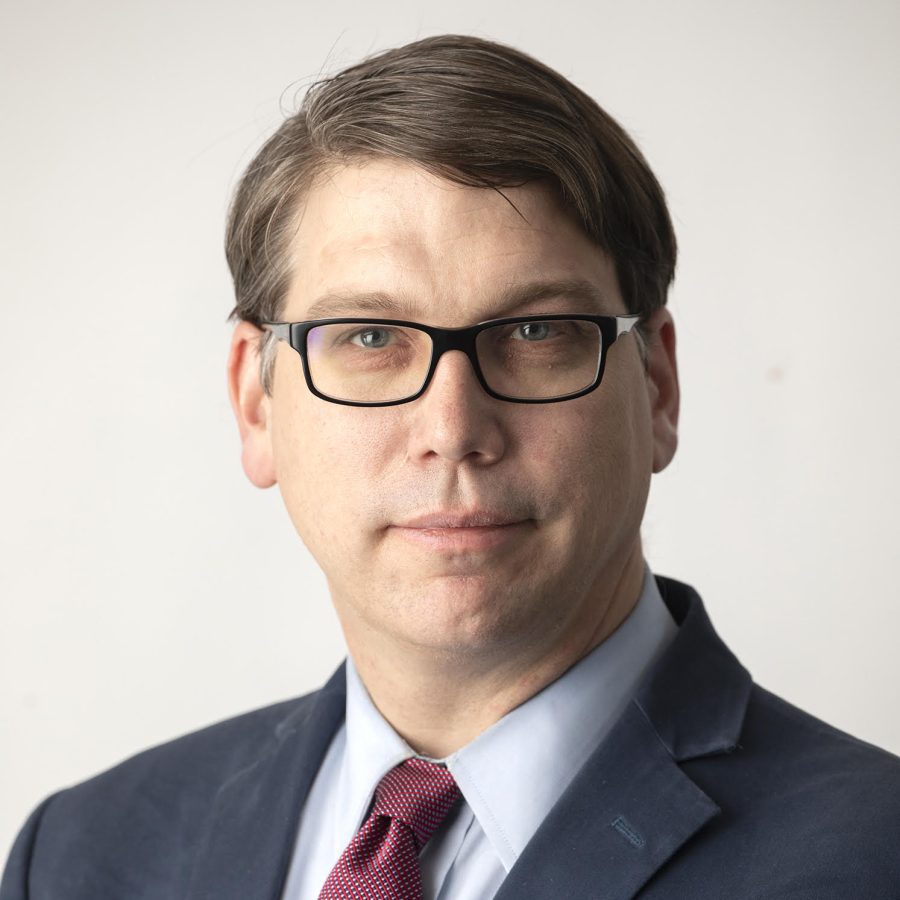
Panelist: Julian E. Barnes
Journalist, New York Times; Fellow, Vanderbilt Institute of National Security
Julian E. Barnes writes about the American intelligence community, including the Central Intelligence Agency, the Office of the Director of National Intelligence and other spy agencies, as well as broader national and international security issues for The New York Times. In recent months, Julian has written extensively about the Trump administration's military and intelligence actions in Venezuela and Iran--breaking stories about the extent of damage to Iran's nuclear facilities, the authorization for cover CIA operations in Venezuela and attempts to manipulate intelligence surrounded a Venezuelan prison gang. He also regularly writes on foreign malign influence and election interference. In 2025, he wrote an article for the Times on research Vanderbilt University scholars had done on Chinese efforts to utilize artificial intelligence to vastly expand their ability to spread propaganda.
Julian has covered international security issues for more than two decades. He joined The New York Times in 2018, and before that he wrote about the U.S. military for U.S. News & World Report, The Los Angeles Times and The Wall Street Journal. As an embedded reporter, he made dozens of trips to Iraq and Afghanistan to report on American forces.
He has been a fellow at The Institute of National Security for the 2025-2026 academic year.

Panelist: Brett Benson
Associate Professor, Political Science and Asian Studies, Vanderbilt University
Brett V. Benson is Associate Professor of Political Science and Asian Studies at Vanderbilt University. His research focuses on alliances, deterrence, and the political economy of security, examining how states design commitments, manage economic dependence, and avoid war under shifting power conditions.
He is the author of The Window Before: The Politics of Alliance Implementation (Oxford University Press, 2025, with Bradley C. Smith) and Constructing International Security: Alliances, Deterrence, and Moral Hazard (Cambridge University Press). His peer-reviewed work has appeared in top journals such as the American Journal of Political Science, Journal of Conflict Resolution, and Journal of Politics, and has shaped scholarly understanding of alliance credibility, moral hazard, and bargaining delay in international crises.
His recent work examines geoeconomics and economic statecraft in strategic competition, AI-enabled influence and information operations, and the security dynamics of the Taiwan Strait. He analyzes how economic leverage and emerging technologies reshape deterrence, escalation risks, and crisis stability. He has briefed senior national security officials on the strategic implications of large-scale digital influence campaigns and has engaged policy and academic audiences on cross-Strait security and deterrence. His policy writing has appeared in Foreign Affairs, the New York Times, and the Washington Post.
He received his Ph.D. in Political Science and M.A. in Economics from Duke University.
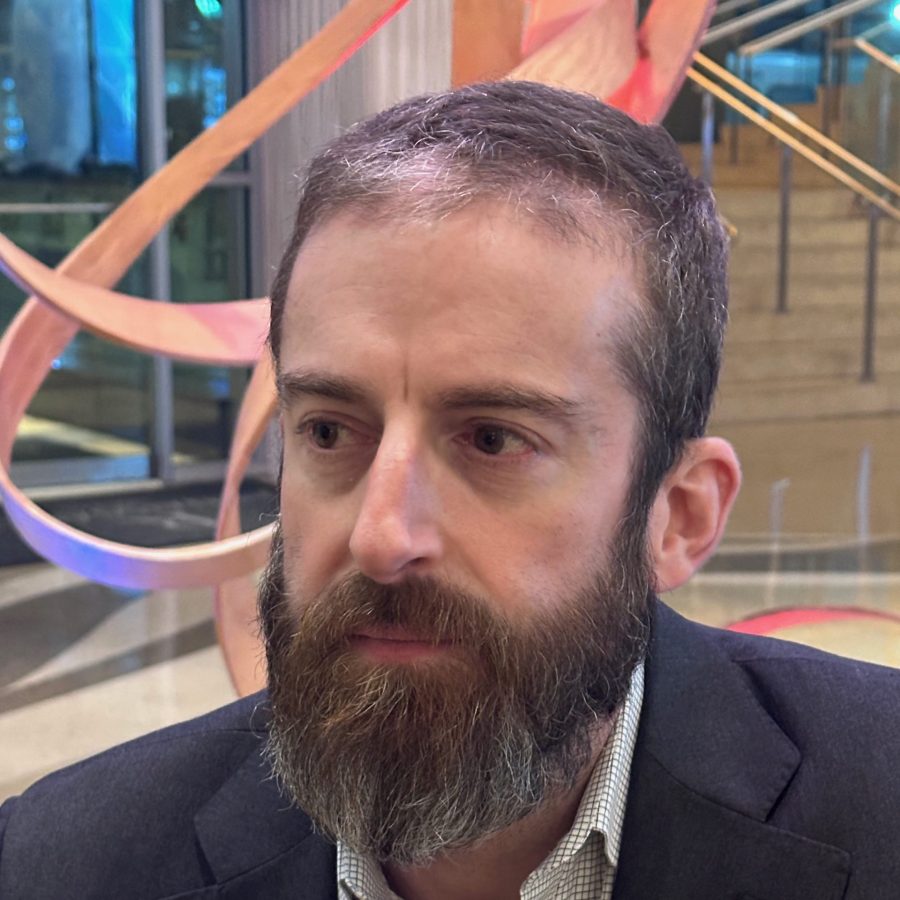
Panelist: Brett Goldstein
Special Advisor to the Chancellor, Vanderbilt University
Brett Goldstein is a pioneering innovator recognized for dismantling bureaucratic barriers and driving cross-industry transformation, from the Department of Defense to Silicon Valley. Goldstein has advised Cabinet Secretaries, C-suite executives, and start-ups on national security, finance, cybersecurity, AI, and data analytics. With leadership roles spanning government, the private sector, and academia, he remains committed to enhancing government through data and technology.
Goldstein began his technology career at OpenTable, where he helped grow the company from an early-stage startup to a multinational corporation. Following the September 11, 2001, terrorist attacks, he joined the Chicago Police Department where he earned the rank of Commander. He made history as the nation’s first municipal Chief Data Officer in Chicago’s government and later served as the city’s Chief Information Officer. In these roles, Goldstein was critical in leading successful efforts to use data and technology to improve the lives of Chicago-area residents. To accomplish this, he established one of the premier analytics programs in the country, accelerating Chicago’s growth as a global hub of innovation and technology.
As Director of the Defense Digital Service, he led a team dedicated to tackling critical technical and national security challenges for the Department of Defense, reporting directly to the Secretary of Defense. He also served as Special Advisor to the United States Department of the Navy where he provided technical expertise on special projects, including overhauling the Navy’s personnel and manpower systems and infrastructure, developing data analytics and machine learning with Joint Special Operations Command (JSOC), and using commercial technology and algorithms to improve force protection for service members in Afghanistan as part of NATO’s Resolute Support Mission.
Goldstein co-founded and served as Managing Partner of Ekistic Ventures, a venture capital fund dedicated to cultivating a portfolio of technology start-ups that bring new solutions to critical urban problems. Before his work at Ekistic, he served as the Chief Technology Officer of GCM Grosvenor, a global investment and advisory firm.
Academically, he served as a Senior Fellow and Special Advisor for Urban Science at the University of Chicago and as a Senior Advisor to the Pearson Institute for the Study and Resolution of Global Conflicts. He also held a fellowship appointment at the Harvard Kennedy School of Government. He is the Special Advisor to the Chancellor on National Security and Strategic Initiatives and a Research Professor in the School of Engineering at Vanderbilt University.
Goldstein earned a master’s degree in Computer Science from the University of Chicago and a master’s degree in Criminal Justice from Suffolk University. He earned his bachelor’s degree in Government from Connecticut College. He has received numerous recognitions and awards and is a sought-after speaker at national and international forums. He lives in Illinois with his wife, three children, two dogs, and a flourishing hive of bees.
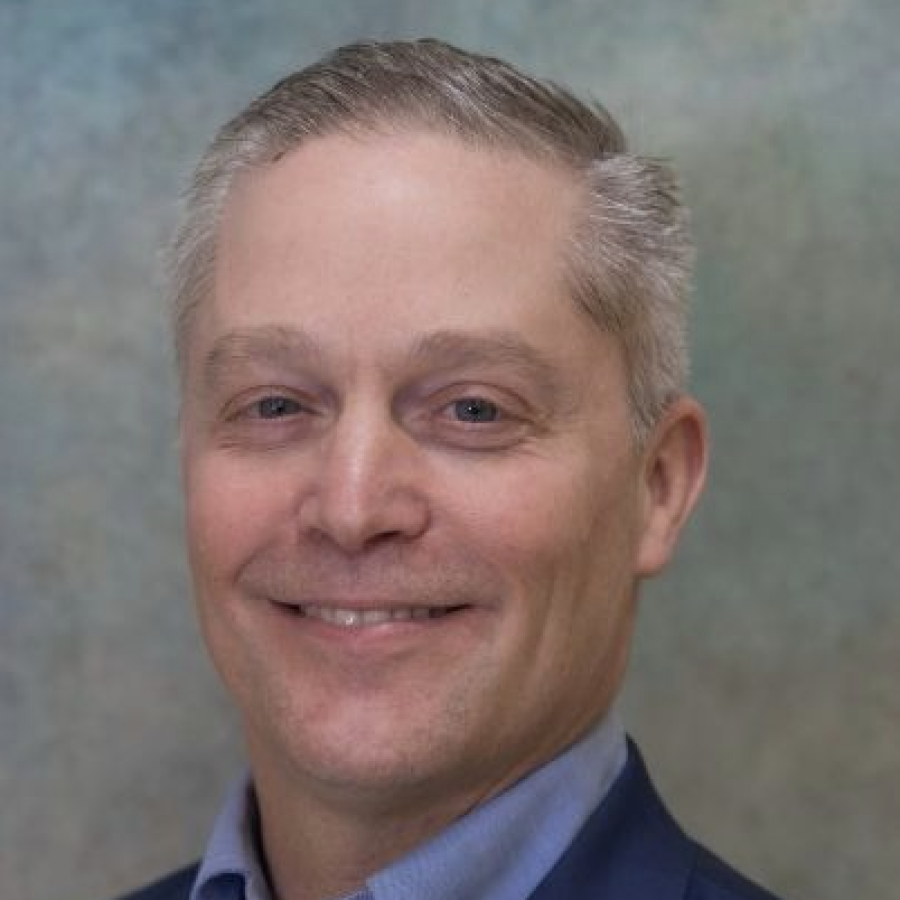
Panelist: General Tim Haugh (Ret.)
Former Director, National Security Agency; Former Commander, U.S. Cyber Command
General (Ret.) Timothy D. Haugh served for more than 30 years in the United States Air Force, culminating in his assignment as the 4th Commander, U.S. Cyber Command and 19th Director of the National Security Agency. General Haugh served as the National Manager for all federal government National Security Systems and led all DoD cyber operations.
General Haugh earned his commission in 1991 as a distinguished graduate of the ROTC program at Lehigh University. During his career, General Haugh commanded at the squadron, group, wing, numbered air force, and joint levels. He served as Deputy Commander of Joint Task Force Ares, Commander of Cyber National Mission Force, and Commander of Sixteenth Air Force.
General Haugh holds a Bachelor of Arts in Russian Studies from Lehigh University, a Master of Science degrees from the Industrial College of the Armed Forces, the Naval Postgraduate School, and Southern Methodist University.

Panelist: Frederick Kagan
Director and Senior Fellow, American Enterprise Institute (AEI)
Frederick W. Kagan is a senior fellow and the director of the Critical Threats Project (CTP) at the American Enterprise Institute (AEI). He edits CTP's and the Institute for the Study of War (ISW)'s daily updates on Russia's invasion of Ukraine. He and Dr. Kimberly Kagan, ISW's founder and President, authored the report "Ukraine and the Problem of Restoring Maneuver in Contemporary War," which explained how the war in Ukraine is transforming warfighting in ways that will affect all future conflicts. Previously an associate professor of military history at West Point, he earned the Distinguished Public Service Award, the highest honor the Chairman can present to civilians who do not work for the Department of Defense, for his volunteer service in Afghanistan; and he is coauthor of the reportDefining Success in Afghanistan and author of the series of reports Choosing Victory (AEI), which recommended and monitored the US military surge in Iraq.
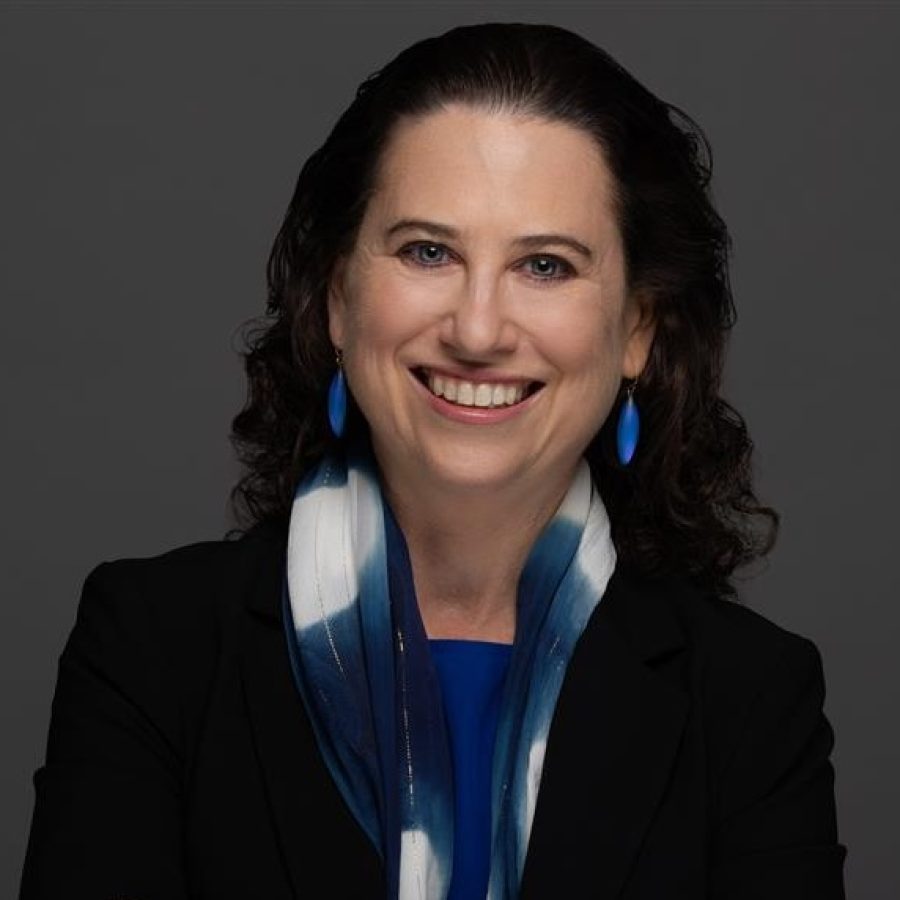
Panelist: Kimberly Kagan
Founder & President, Institute for the Study of War
Kimberly Kagan is the founder and president of the Institute for the Study of War (ISW), a non-profit, non-partisan think tank globally recognized for its real-time analysis and mapping of Russia’s invasion of Ukraine, Middle Eastern conflicts, and China-Taiwan relations. Under her leadership, ISW became the world's most cited foreign policy think tank in 2022 and 2023. A military historian and expert on contemporary warfare, she co-authored Ukraine and the Problem of Restoring Maneuver in Contemporary War and has published in The Wall Street Journal, The New York Times, The Washington Post, and Foreign Policy. She co-founded and teaches the Hertog War Studies Program at ISW and has taught at West Point, Yale, Georgetown, and American University. Dr. Kagan received the Distinguished Public Service Award for her volunteer service advising U.S. military leaders in Iraq and Afghanistan. She also received a Fed100 award for ISW’s contributions to open-source intelligence. She holds a B.A. and Ph.D. from Yale University.

Panelist: Matt Pottinger
CEO, Garnaut Global LLC; Former Deputy National Security Advisor
Matt Pottinger is CEO of Garnaut Global LLC, an open-source research and advisory firm specializing in geopolitical, economic, and technology dynamics related to China. He previously served four years at the White House, including as Deputy National Security Advisor from 2019 to 2021. Pottinger is widely credited with helping drive a bipartisan shift in U.S. policy on China. Before the White House, he reported from China for Reuters and The Wall Street Journal, served as a U.S. Marine with combat deployments to Iraq and Afghanistan, and ran Asia research at a New York-based investment firm. His book The Boiling Moat: Urgent Steps to Defend Taiwan was published in 2024.

Panelist: Pat Opet
Global Chief Information Security Officer, JPMorganChase
Pat Opet is the Global Chief Information Security Officer and the Head of Cybersecurity & Technology Controls at JPMorganChase. He is a member of the firm’s Global Technology Leadership Team. He leads a global team of several thousand cybersecurity and technology controls professionals across all lines of business in every geography where the firm operates. JPMorganChase Cybersecurity teams are focused on the confidentiality, availability, integrity and compliance of the Firm’s technology services, securely enabling business growth, and the resilience the Firm’s technology environment. The team partners closely with government agencies and financial services companies to advance early warning and operational collaboration in pursuit of a secure and resilient financial ecosystem.
Pat has extensive experience leading large scale technology transformation, risk management, cybersecurity and controls systems engineering. Pat is a member of the Board of Directors of the Analysis & Resilience Center for Systemic Risk (ARC).
He has an M.S. from the University of Maryland in Computer Systems Management & Information Assurance and a B.S. from George Washington University in Computer Engineering.

Panelist: Lori Reynolds
Lieutenant General (Ret.), United States Marine Corps
Lori Reynolds retired as a Lieutenant General after a 35-year career in the United States Marine Corps. Her service culminated as the Deputy Commandant for Information, a newly established Deputy Commandant that recognized the growing importance of Information, cyberspace, and digital technologies and the new warfighting domains of space and cyberspace. During her career, she commanded Marines at every rank, including command of formations in Iraq and Afghanistan.
As a General Officer, she commanded the Marine Corps iconic recruit depot at Parris Island, SC, where she was responsible for recruiting and training 20,000 new Marines per year. She subsequently commanded Marine Corps Forces Cyberspace Command, where she completed the build of the Marine Corps’ newest warfighting component and was responsible for the Marine Corps’ first-ever cyber effects operations in support of the Joint Force.
In her time as the Deputy Commandant for Information, Lori was responsible for all IT, intelligence, cyberspace, space, and influence personnel and capability development for the Marine Corps. She led the team that created the Marine Corps’ newest warfighting function of Information, acknowledging the growing importance of the fight for secure information and data. She built the cyberspace occupational field for the Marine Corps and initiated the creation of a new Marine component for US Space Command.
Lori served as the senior woman in the Marine Corps for 8 years and is an expert in team building, leading diverse teams, managing complexity, risk and talent management, and organizational change management. In her last 6 years in the Marine Corps, she was a Marine Corps Corporate Board member responsible for collaboratively planning $50B annually to support USMC missions and capability development globally. Her executive responsibilities included Deputy Department of the Navy Chief Information Officer for the Marine Corps, Director of Cyber Security,
and Director of Intelligence.
Lori earned a BS in political science from the United States Naval Academy, an MS from the Navy War College, and an MS from Army War College. She has voluntarily served as the Chairperson of the Board for the Sea Services Leadership Association and is a member of the Armed Forces Communication and Electronics Association. She was the inaugural recipient of the Admiral Grace Hopper Award at the National Defense University’s College of Information and Cyberspace.
Since 2021 Lori currently serves on the Board of Directors of the U. S. Bancorp, the Board of Trustees of the American Public University System, the Board of Trustees of the Naval Academy Athletic & Scholarship Program, the Board of Visitors of the Marine Corps University, and the Board of Directors of the Marine Corps Scholarship Foundation. She is also a Department of the Navy CIO Information Co-Chair at the Naval Postgraduate School.

Panelist Peter Zeihan
Founder, Zeihan on Geopolitics
Peter Zeihan is a geopolitical strategist, which is a fancy way of saying he helps people understand how the world works. Peter combines an expert understanding of demography, economics, energy, politics, technology, and security to help clients best prepare for an uncertain future. Over the course of his career, Peter has worked for the US State Department in Australia, the DC think tank community, and helped develop the analytical models for Stratfor, one of the world’s premier private intelligence companies. Peter founded his own firm — Zeihan on Geopolitics — in 2012 in order to provide a select group of clients with direct, custom analytical products. Today those clients represent a vast array of sectors including energy majors, financial institutions, business associations, agricultural interests, universities and the U.S. military.
With a keen eye toward what will drive tomorrow’s headlines, his irreverent approach transforms topics that are normally dense and heavy into accessible, relevant takeaways for audiences of all types.
Peter is a critically-acclaimed author whose first two books — The Accidental Superpower and The Absent Superpower — have been recommended by Mitt Romney, Fareed Zakaria and Ian Bremmer. His latest third title, Disunited Nations: The Scramble for Power in an Ungoverned World became available in March 2020. Peter’s fourth book, The End of the World is Just the Beginning: Mapping the Collapse of Globalization, became available in June 2022.