For many high school students, the college admissions process is both exciting and overwhelming. For autistic and other neurodivergent students, however, that journey can present unique challenges, from navigating self-advocacy to deciding whether or not to disclose a diagnosis. Dr. Eric Endlich, a clinical psychologist turned college admissions consultant, has dedicated his career to helping students approach this process with ease and confidence. His work emphasizes storytelling, reflection, and belonging, encouraging students to embrace who they are and share that story on their own terms.
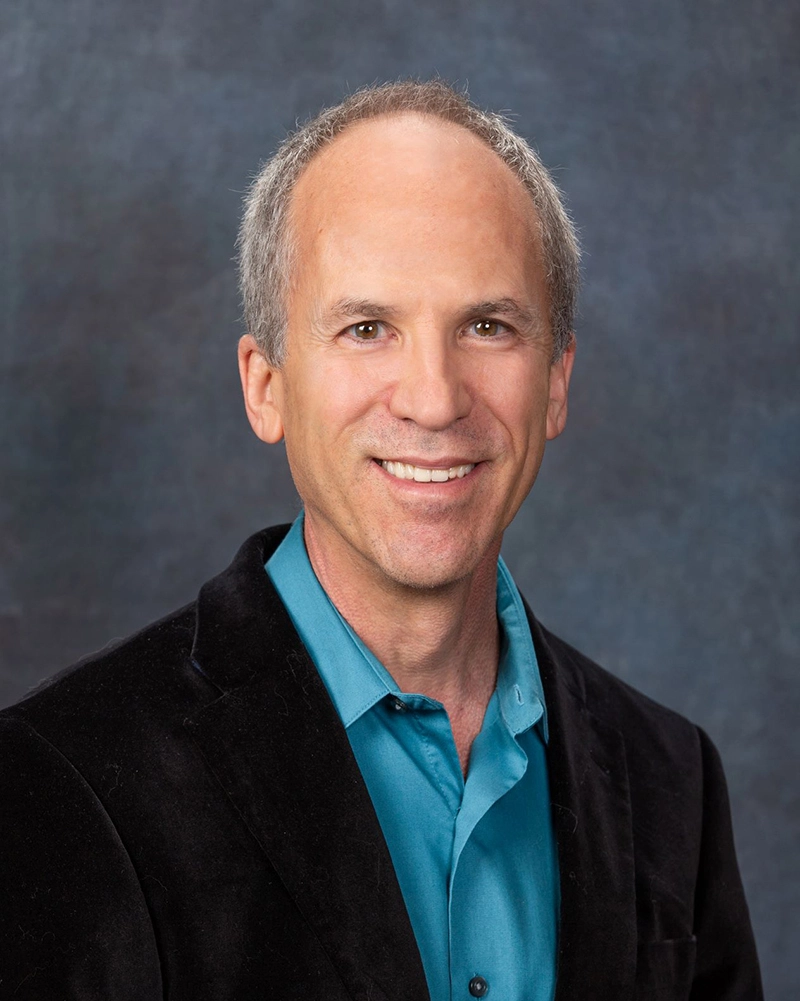
Supporting Autistic Students through College Admissions Consulting
Dr. Endlich’s introduction into the college admissions world began with his career as a therapist. “I love being a therapist and being a psychologist. I worked in a bunch of different settings, and I stumbled across consulting. Maybe it was when my daughter was applying to college,” Dr. Endlich shared. “It’s really fulfilling. I think it’s a really interesting time in your life when you’re starting to step away from your home and figure out what you want to do with your life.” As a lifelong academic and writer, Dr. Endlich enjoys helping his students with essays and learning about the different colleges and this is where his career as a consultant came to fruition.
The second element to his career was helping neurodivergent individuals. “I felt very comfortable with neurodivergent students. I like helping students who might otherwise struggle to succeed,” Dr. Endlich shared. “There are so many different pieces that we can help them with.”
The Journey to Self-Understanding
Dr. Endlich’s career as a consultant is also deeply personal. “My own children are neurodivergent. I discovered about 15 years into the journey that I’m neurodivergent,” Dr. Endlich revealed. Receiving a diagnosis in adulthood helped him reframe his past and understand patterns that once felt inexplicable.
Dr. Endlich took this life-changing experience and co-wrote a book called Older Autistic Adults, where he surveyed 150 autistic adults around the world. One of the questions was, “What was your emotional reaction in the first year being diagnosed?” The most common reaction was relief. The participants felt like things now made sense and really clicked into place.
For Dr. Endlich, his reaction included multiple emotions. At first, this process consisted of grief like a reaction to trauma. He notes a book, The Nine Degrees of Autism, which describes nine different phases that people can go through. After a bit, Dr. Endlich felt that this was a good thing. He built relationships with others who had similar experiences, which made him feel validated. He also notes that now that autism is seen more broadly, more people are comfortable with it. It’s like a neurodiversity affirming approach that says we are all different and that’s a good thing.
The Art and Science of the College Admissions Process
As a college admissions consultant with a background in clinical psychology, Dr. Endlich sees the admissions process as both an art and a science. “There’s certainly a lot of data we can look at if a student’s saying, ‘What are my chances of getting into this college?’ We can pull up the data to see where they fall,” he explained. While numbers like GPA, test scores, and acceptance rates can provide a framework, Dr. Endlich emphasizes that data is only one piece of the puzzle and what’s more important is helping students tell a story thats true to who they are.
That story, especially for neurodivergent students, may not follow a traditional script. Rather than coaching students to present an idealized version of themselves, Dr. Endlich encourages self-discovery. “I want them to kind of discover who they are, what they are excited about, what they want to do with their lives, and share that in an authentic way,” he said.
For some neurodivergent individuals, the challenge isn’t embellishing achievements but simply feeling confident enough to share their story at all. Some of the students Dr. Endlich work with struggle with self-esteem and need to be pulled out of their shell.
Dr. Endlich’s therapeutic background allows him to meet students where they are, helping them reflect on their experiences and values in a way that feels empowering rather than performative. “It is actually quite helpful to get students to introspect and reflect on what their values are and how they can talk about those in an essay.” This reflective outcome allows students to not only create strong college applications but also better understand themselves, which is invaluable regardless of the admissions process.
Disclosing a Diagnosis
Deciding whether to disclose a diagnosis, particularly one related to neurodiversity, is a deeply personal choice, and one that sparks debate. While colleges are legally prohibited from discriminating against applicants with disabilities under laws like the Americans with Disabilities Act, the reality is more nuanced. Dr. Endlich advises that the way a student frames their story can make all the difference. “The devil is in the details,” he said. On the Common App, students have the option to use the Additional Information section to contextualize parts of their application. “If there’s something in your application that might be confusing or concerning to colleges, it could actually help you to explain it,” he explained.
For many neurodivergent students, sharing their diagnosis can be empowering. It can demonstrate how they’ve developed self-awareness and adapted to challenges. “I’ve had students who did that who got into every college they applied to. Clearly, it didn’t hurt them to do that, but again it’s how they did it,” Dr. Endlich pointed out.
Choosing the Right University
When choosing the right university, Dr. Endlich encourages students to look at the message that a college sends. “Is the college friendly to students who are LGBTQIA+? If you arrive on campus, do you see students like you? I don’t see it as just being neurodiversity friendly; I see it as a part of diversity in general,” Dr. Endlich noted. It’s all about finding the things that would make a student feel like they will belong there. Just as students of different cultural backgrounds seek campuses that respect their identities, neurodivergent students benefit from environments where differences in communication and learning are welcomed rather than stigmatized.
Finding the right fit can take time, but it’s important to be optimistic about the college admissions process. “If you want to go to college, there’s a place for you. You can make it happen. It might take longer to figure out your journey, but there is a way to make it happen,” Dr. Endlich shared.
What Real Neuroinclusion Could Look Like
Unfortunately, college supports for neurodivergent students are sometimes limited. Universities may have physical accommodations like ramps and elevators to get places. It has to do with this idea of universal design. “If you create an environment that is accessible for everyone, then you don’t have to give people accommodations,” Dr. Endlich added. The same goes for other kinds of disabilities and accommodations.
Applied to neurodiversity, this means more than just extended test time or quiet study. It could include professors trained in neurodiversity-affirming teaching practices, flexible classroom participation requirements, or admissions processes that recognize different ways of demonstrating potential beyond test scores and GPAs. It also extends into campus life, ensuring that social spaces, student organizations, and mental health resources are welcoming and supportive.