On this page you will find books by FCAI staff and books that feature FCAI staff and students. In each case we have provided a link to "Buy The Book" and have prioritized sharing the link to Bookshop.org, a website that sources books from independent Bookstores, providing them space to compete online. Where the book is not available via Bookshop.org at this time, an alternative is offered. At the bottom of the page you will find a list of other popular science non-fiction books that discuss neurodiversity, and have been read by our team.
Have you seen one of our staff members featured in a book not listed here? Please let our Communications Director Jessica Schonhut-Stasik know at jessica.s.stasik@vanderbilt.edu.
Books By FCAI Staff
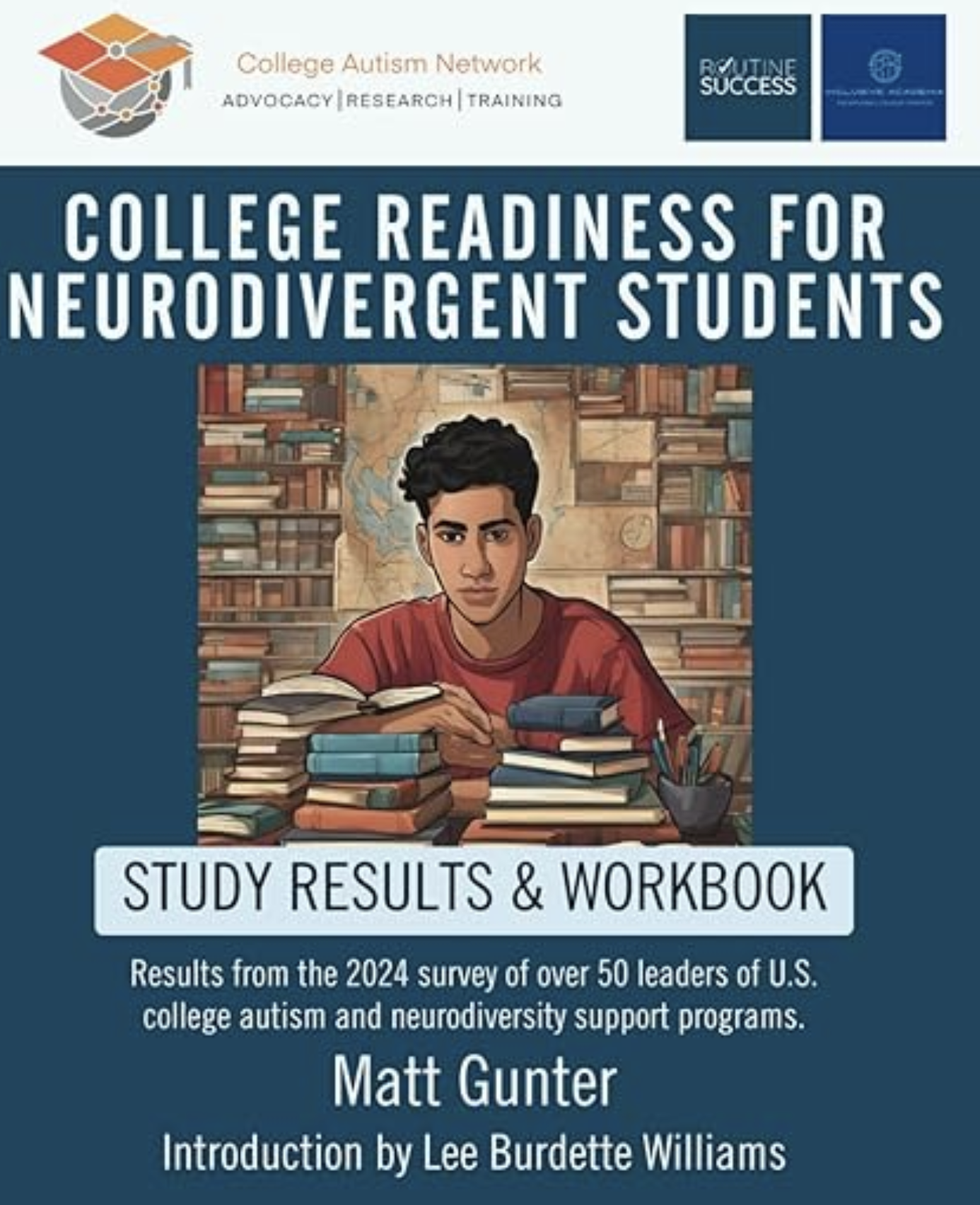 About the Book: "College Readiness for Neurodivergent Students" is a comprehensive workbook crafted for neurodivergent students and their families as they explore post-high school options. Drawing on data from a 2024 survey of over 50 leaders of U.S. college autism and neurodiversity support programs, this workbook identifies ten essential skill areas vital for college success.
The book covers key competencies in areas such as motivation, the desire to seek and accept help, self-regulation, independent living skills, executive functioning, mental health, academic skills, self-advocacy, physical health, and social connections.
In addition, the workbook includes insights from respondents on how to assess student proficiency in each of these areas.
Perhaps most importantly, it presents discussion questions and frameworks to facilitate meaningful conversations, ensuring that students and families are aligned and prepared for the college journey ahead.
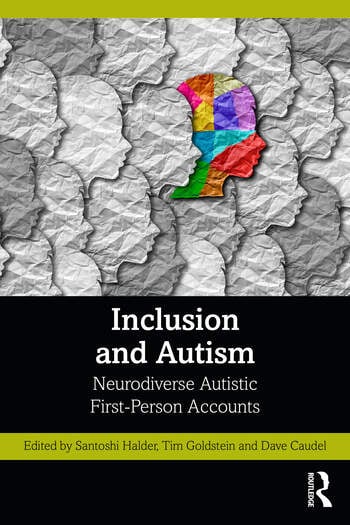 FCAI Associate Director Dr. Dave Caudel co-edited 'Inclusion and Autism: Neurodiversity Autistic First-Person Accounts' with Santoshi Halder and Tim Goldstein.
About the Book: This book is a compilation of the collective voices of autistic people and is a fertile ground to understand inclusion and the enigma of the autism spectrum from the neurodiverse lens. The book brings forth first-person accounts of autistic adults and unravels various facts about the people with autism spectrum disorder. It offers a fresh outlook on autistic adults, reflecting on inclusion, their challenges, and strengths, and presents crucial elements for a successful inclusive model and lays the foundation of a robust and effective support delivery that reinforces the inclusion of autistic people in society. Through a range of neurodiverse voices, the book presents the world the challenges and strengths of autistic people and their unique perspectives. It offers valuable insights for future directions and strategic effective pathways. Each chapter brings forth various perspectives by autistic adults and stresses the need for a neuro-diverse lens and strength focus support for manifestation and nurturance of the best potentialities of autistic people enhancing their quality of life, increasing their inclusion and resulting in a mutually positive experiences collectively in an inclusive way.
Inclusive and incisive in its making, this book would be useful to the departments of Special Education, Psychology and Applied Psychology, Social Work, Sociology, Health Science, Diversity and Equity, Neurodiversity and Public Health. It would also be an invaluable companion to special educators, in-service and prospective teachers, policymakers, parents, professionals from government and nongovernment organizations, and researchers in the field of disability, diversity, and equity from around the world.
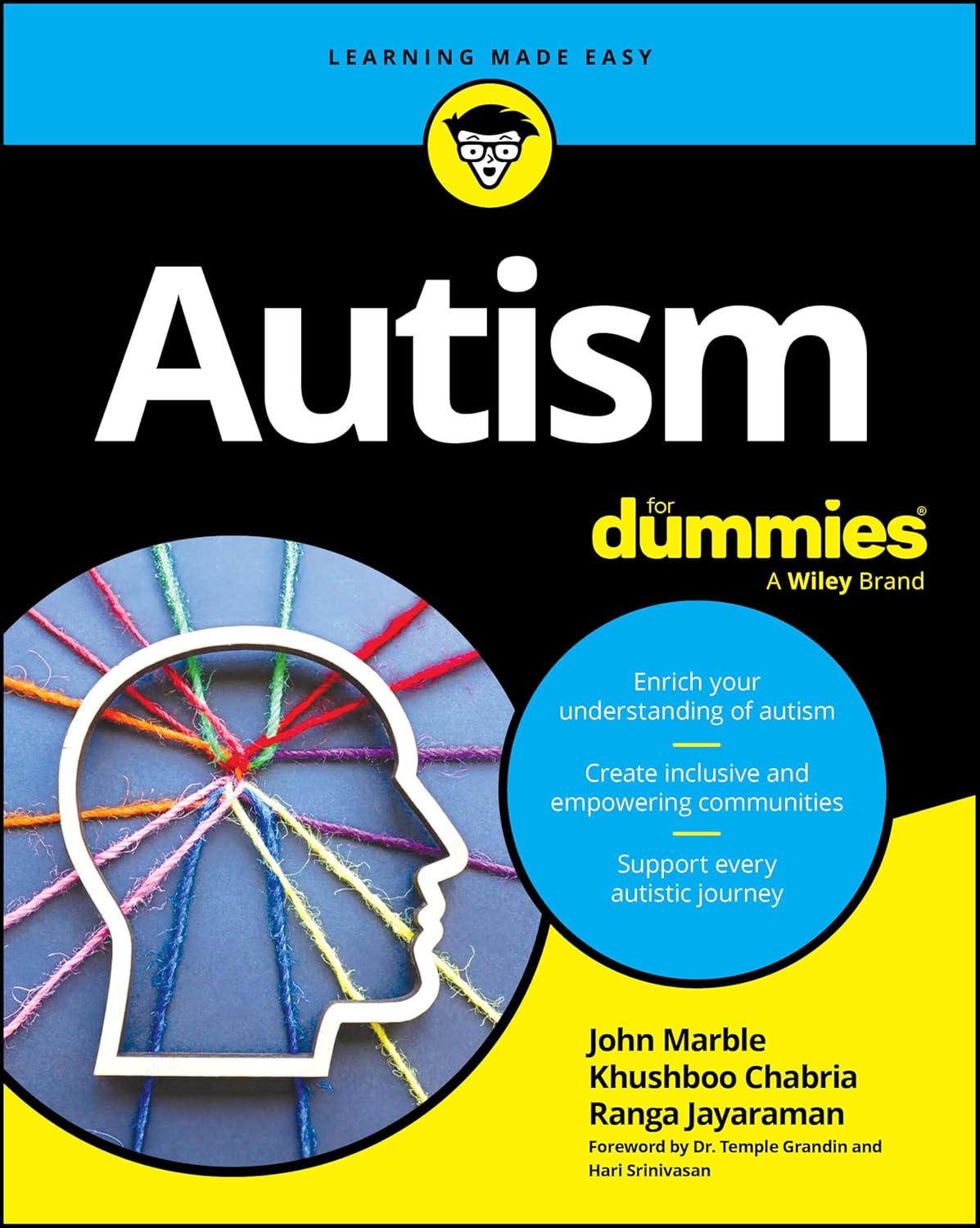
 Neurodiversity Inspired Science and Engineering (NISE) Fellow Hari Srinivasan co-wrote the foreword to Autism for Dummies with Temple Grandin.
About the Book: Autism For Dummies is a comprehensive guide exploring the full spectrum of autism experiences. This essential resource deepens understanding for self-advocates, parents, educators, and professionals, fostering respect and acceptance for all individuals on the autism spectrum. Covering the basics of autism, including the latest research and diagnostic criteria, the book offers insights into neurological diversity. It acknowledges the vastly different abilities and support needs among autistic individuals, portraying these experiences with depth and empathy.
The book addresses families' and caregivers' experiences, offering candid testimonials and practical advice on advocating for resources, fostering supportive communities, and ensuring the best outcomes for their children. Autism For Dummies bridges polarized views within the autism community, highlighting self-advocates' calls for independence and parents' need for comprehensive support.
Through respectful dialogue and shared stories, the book encourages an enlightened approach to support and acceptance and provides practical strategies for inclusion, covering tools for communities, schools, and workplaces to become more accommodating and empowering.
With its compassionate and inclusive approach, Autism For Dummies educates and inspires broader understanding and acceptance, calling on readers to help create a society where every autistic individual can thrive.
Books Featuring FCAI Staff & Students
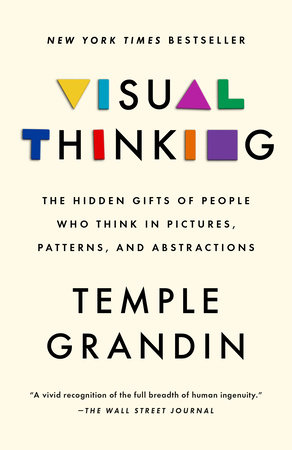
 Former FCAI Student and Staff member Dan Burger is mentioned beginning on Page 123 of Temple Grandin's "Visual Thinking".
About the Book: A quarter of a century after her memoir, Thinking in Pictures, forever changed how the world understood autism, Temple Grandin— “an anthropologist on Mars,” as Oliver Sacks dubbed her—transforms our awareness of the different ways our brains are wired. Do you have a keen sense of direction, a love of puzzles, the ability to assemble furniture without crying? You are likely a visual thinker.
With her genius for demystifying science, Grandin draws on cutting-edge research to take us inside visual thinking. Visual thinkers constitute a far greater proportion of the population than previously believed, she reveals, and a more varied one, from the photo-realistic “object visualizers” like Grandin herself, with their intuitive knack for design and problem solving, to the abstract, mathematically inclined “visual spatial” thinkers who excel in pattern recognition and systemic thinking. She also makes us understand how a world increasingly geared to the verbal tends to sideline visual thinkers, screening them out at school and passing over them in the workplace. Rather than continuing to waste their singular gifts, driving a collective loss in productivity and innovation, Grandin proposes new approaches to educating, parenting, employing, and collaborating with visual thinkers. In a highly competitive world, this important book helps us see, we need every mind on board.
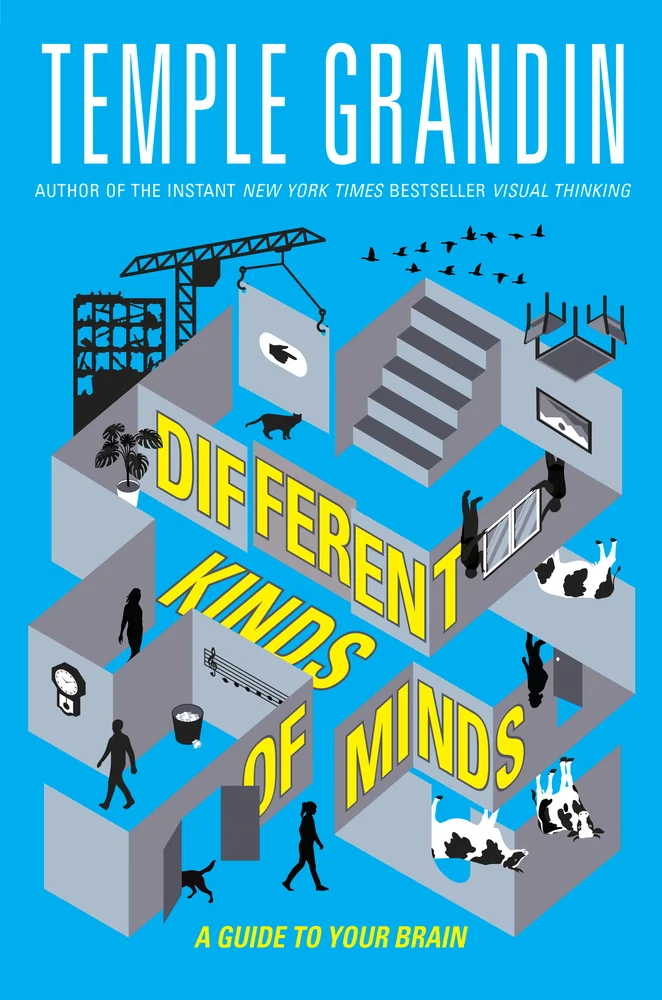 Former FCAI Student and Staff member Dan Burger is mentioned beginning on Page 90 of Temple Grandin's "Different Kinds of Minds".
About the Book: Do you like puzzles, coding, and taking things apart? Do you write stories, act in plays, slay at Wordle? The things you are good at are clues to how your brain works. Are you good at math? Working with your hands? Are you a neat freak or a big mess?
With her knack for making science easy to understand, Temple Grandin explains different types of thinkers: verbal thinkers who are good with language, and visual thinkers who think in pictures and patterns. You will discover all kinds of minds and how we need to work together to create solutions to help solve real-world problems.
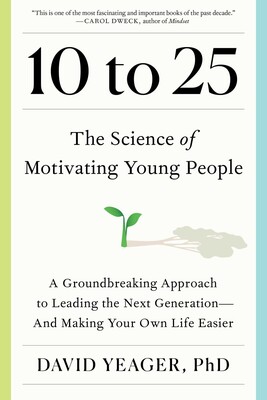
 FCAI Director Dr. Keivan G. Stassun appears in Dr. David Yeager's book "10 to 25: The Science of Motivating Young People".
About The Book: Imagine a world in which Gen Xers, millennials, and boomers interact with young people in ways that leave them feeling inspired, enthusiastic, and ready to contribute—rather than disengaged, outraged, or overwhelmed. That world may be closer than you think. In this book based on cutting edge research, psychologist David Yeager explains how to stop fearing young people’s brains and hormones and start harnessing them.
Neuroscientists have discovered that around age ten, puberty spurs the brain to crave socially rewarding experiences, such as pride, admiration, and respect, and to become highly averse to social pain, such as humiliation or shame. As a result, young people are subtly reading between the lines of everything we say, trying to interpret the hidden implications of our words to find out if we are disrespecting or honoring them. Surprisingly, this sensitivity to status and respect continues into the mid-twenties. 10 to 25 helps adults develop an ear for the difference between the right and wrong way to respect young people and avoid frustrating patterns of miscommunication and conflict.
Yeager explains how to adopt what he terms the mentor mindset, which is a leadership style that’s attuned to young people’s need for status and respect. Anyone can adopt the mentor mindset by following a few highly effective and easy-to-learn practices such as validating young people’s perspectives (rather than dismissing them), asking them questions (rather than telling them what to do), being transparent about your beliefs and goals (rather than assuming that they will accurately guess your thoughts), and holding them to high standards (rather than coddling them). Yeager’s scientific experiments have shown these practices reduce a wide variety of behavior problems, including school dropout, unhealthy eating, stress, purposelessness, mental health problems, and more
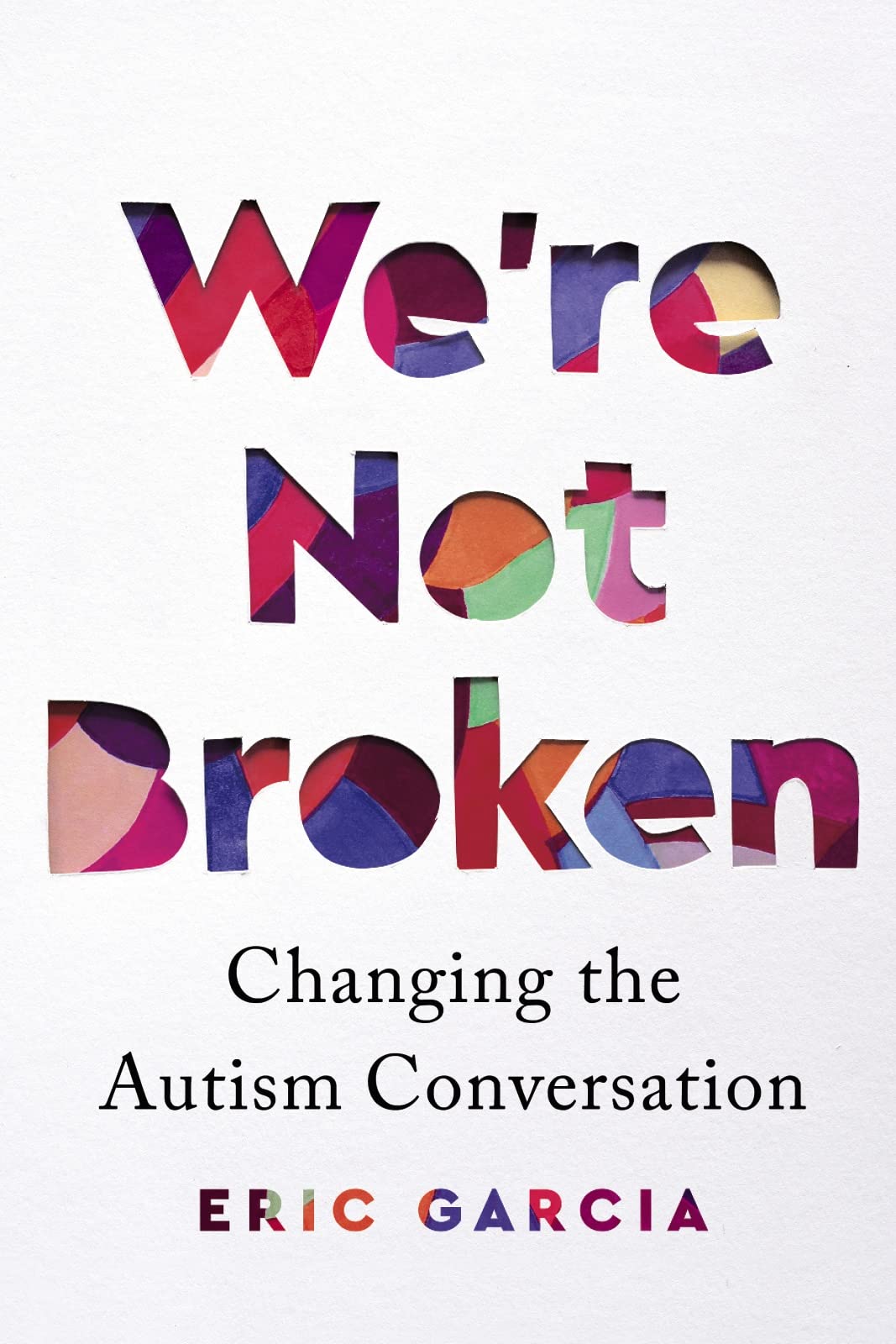
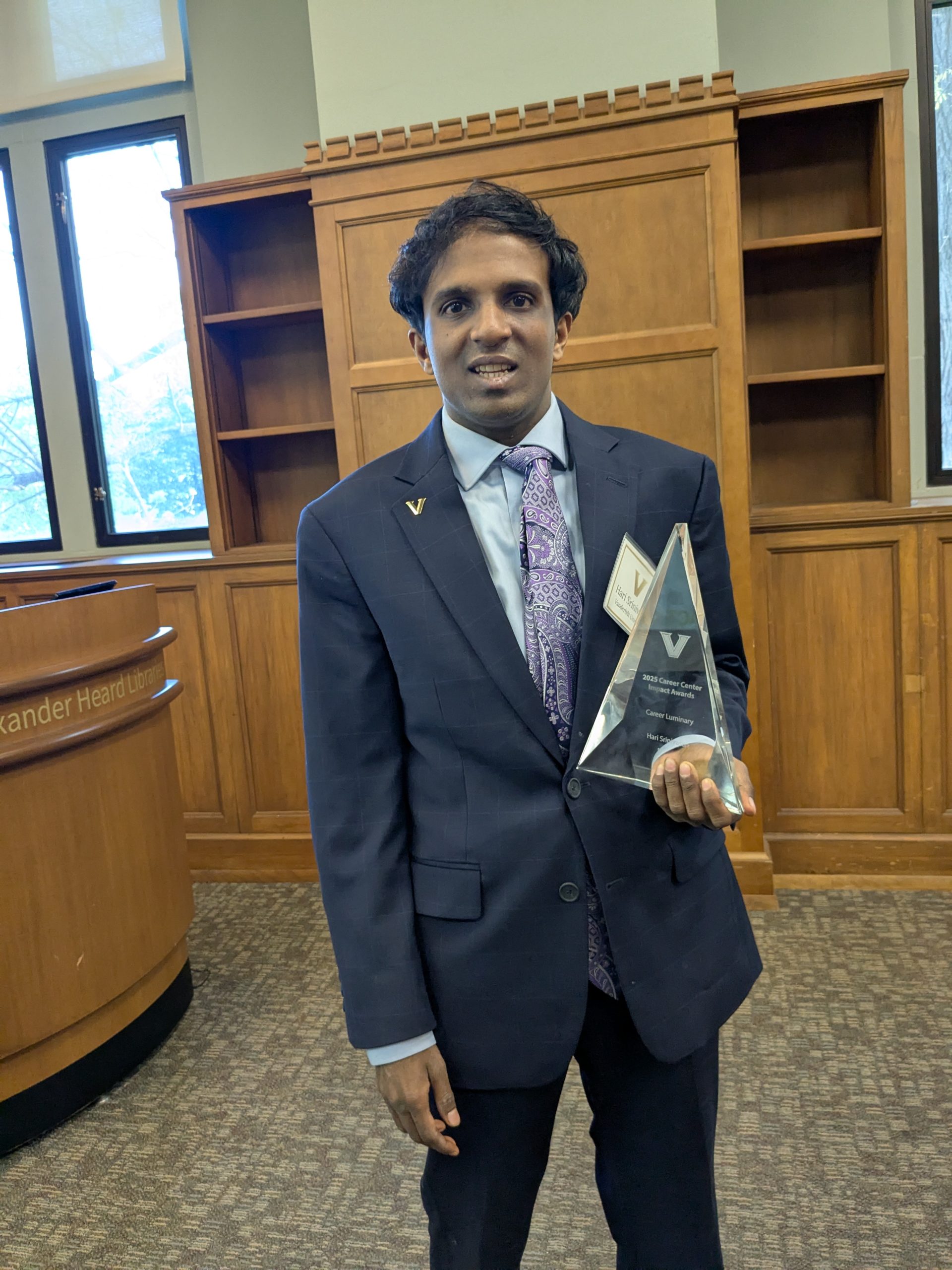 FCAI Associate Director Dr. Dave Caudel and Neurodiversity Inspired Science and Engineering Fellow Hari Srinivasan appear in Eric Garcia's book "We're Not Broken".
About the Book: With a reporter’s eye and an insider’s perspective, Eric Garcia shows what it’s like to be autistic across America.
Garcia began writing about autism because he was frustrated by the media’s coverage of it; the myths that the disorder is caused by vaccines, the narrow portrayals of autistic people as white men working in Silicon Valley. His own life as an autistic person didn’t look anything like that. He is Latino, a graduate of the University of North Carolina, and works as a journalist covering politics in Washington D.C. Garcia realized he needed to put into writing what so many autistic people have been saying for years; autism is a part of their identity, they don’t need to be fixed.
In We’re Not Broken, Garcia uses his own life as a springboard to discuss the social and policy gaps that exist in supporting those on the spectrum. From education to healthcare, he explores how autistic people wrestle with systems that were not built with them in mind. At the same time, he shares the experiences of all types of autistic people, from those with higher support needs, to autistic people of color, to those in the LGBTQ community. In doing so, Garcia gives his community a platform to articulate their own needs, rather than having others speak for them, which has been the standard for far too long.
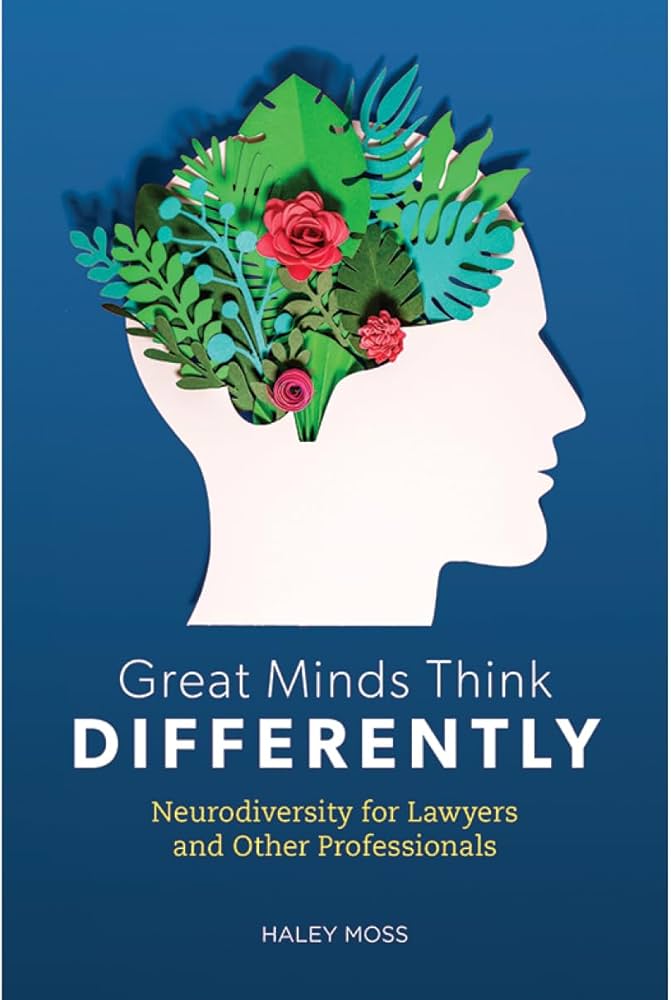
 FCAI Deputy Director of Business Innovations Dr. Tim Vogus appears in Haley Moss' book "Great Minds Think Differently".
About the Book: This book lays the groundwork for a more inclusive and understanding legal culture and profession. FACT: We all have different brains. We think differently than one another and have unique perspectives and perceptions of the world around us. Neurodiversity might be a relatively new concept for some readers, but everyone interacts every day with people who think differently than themselves. There is no one normal or superior type of brain, and difference is in fact the norm. Rather than "great minds think alike," great minds think differently. And different can be extraordinary. As an attorney diagnosed with autism at the age of three, author Haley Moss grew up knowing what it was like to feel unheard or unseen because of the way she communicated. Neurodiversity is a natural, valuable aspect of human diversity, yet one that too often means that people with neurocognitive differences face discrimination and exclusion. This book lays the groundwork for a more inclusive and understanding legal culture and profession. It explains neurodiversity from the author's own perspective and elucidates the value and advantages neurodiverse colleagues can bring to practice.
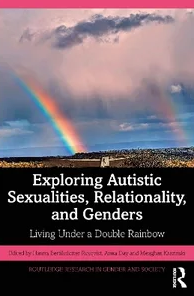
 Director of Research for the College Autism Network Dr. Brett Nachman appeared in Hanna Rosqvist's Book "Exploring Autistic Sexualities, Relationality, and Genders".
This edited collection of contributions explores non-normative genders, sexualities, and relationality among Autistic people.
Written within an explicitly neuro-affirmative frame, the collection celebrates the diversity and richness of Autistic identity, sexuality, gender, and relationships, exploring areas such as consent, embodiment, ink, kink, sex education, and therapeutic work. All editors and contributors are neurodivergent and members of the communities that the book focuses on, providing an authentic and unique exploration of gender, sexuality, and relationality in Autistic people by Autistic/other neurodivergent authors.
The book is primarily intended for postgraduate students and academics across disciplines including sociology, social work, psychology, disability studies, inclusive and special education, and sexual education. Mental health professionals and educators will also find it a useful resource to support their Autistic clients as well as developing their own understanding about how to support Autistic people in a neurodiversity-affirming, kink-affirming, LGBTQ+, and gender-variant way.
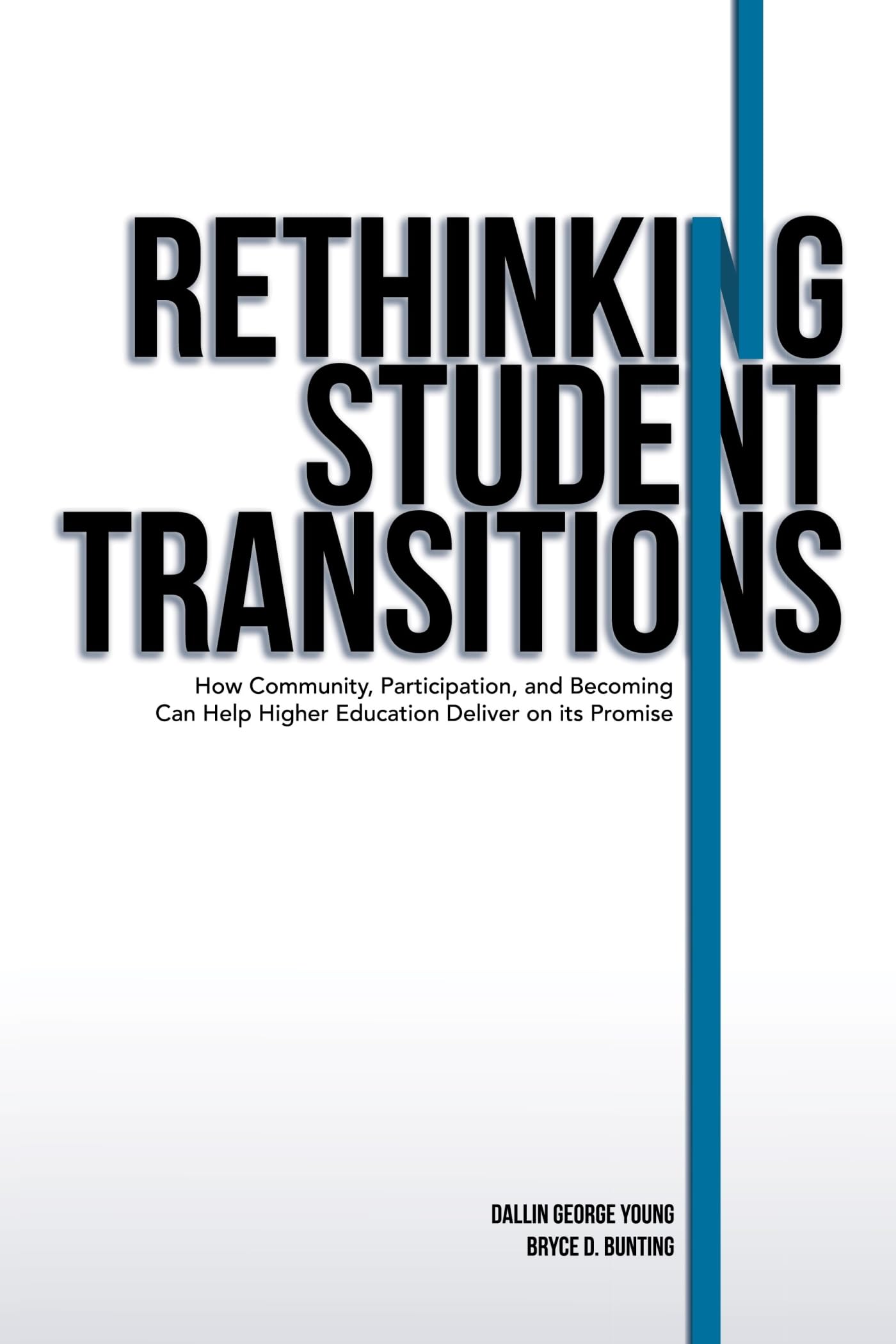
 Director of Research for the College Autism Network Dr. Brett Nachman appeared in Dallin Young's Book "Rethinking Student Transitions".
Rethinking Student Transitions: How Community, Participation, and Becoming Can Help Higher Education Deliver on its Promise, presents a reimagined theory of student transitions in college. The authors contend that while previous theorizations have helped move the practice of supporting student success forward through the latter half of the twentieth century, earlier conceptualizations and models have led to an inconsistent and incomplete picture of students’ experiences in transition. The book offers both a review and critique of current models of transition and then develops a new conceptual viewpoint based in the ideas of situated learning and transitions as becoming. The second half of the book is dedicated to using this new theoretical perspective to illustrate how higher education professionals can create conditions to support students in transition more intentionally, with a particular view toward supporting historically marginalized students, including racially and ethnically minoritized students, first-generation students, and post-traditional students.
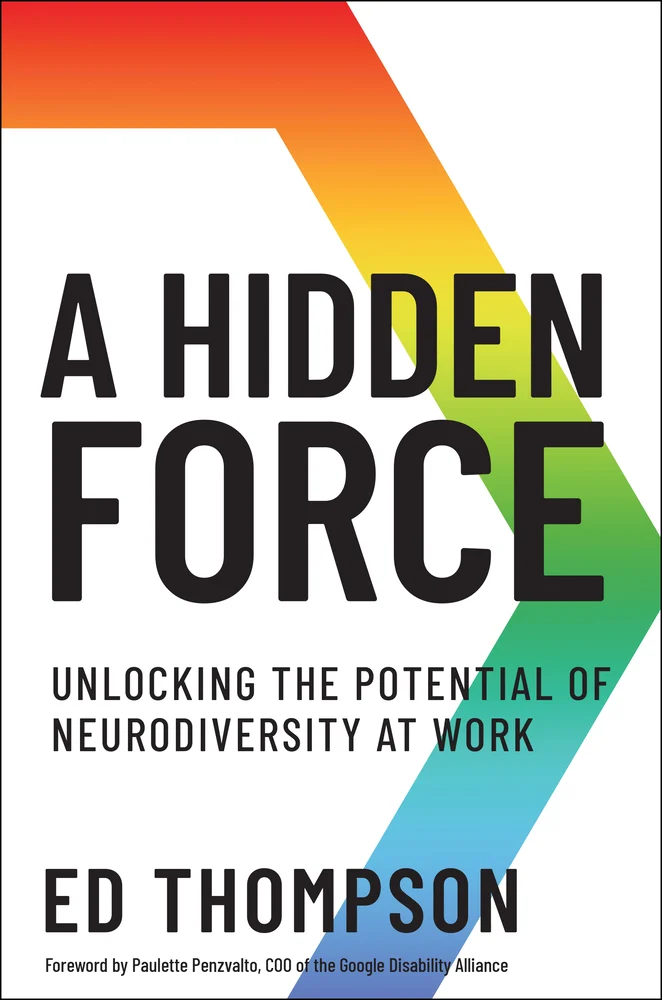 FCAI Associate Director Dr. Dave Caudel appears in Ed Thompson's 'A Hidden Force: Unlocking the Potential of Neurodiversity at Work'.
About the Book: Diversity is a hot topic in the business world, but it has been largely restricted to meaning a diversity of experiences based on a person's heritage, upbringing, or gender. As A Hidden Force points out, however, there is another type of diversity that has been overlooked until recently: neurodiversity--the differences in how our brains process information.
Through his research, personal experiences, and extensive interviews with global neurodiversity experts and neurodivergent people in the workforce, Ed Thompson convincingly shows:
- Why neurodiversity has historically been overlooked by society and in business and why it's so relevant
- Why embracing neurodiversity will help us be part of and build more innovative and effective teams
- How we can take our new understanding of the topic and neuroinclusive principles into our everyday work and interactions
A Hidden Force makes a timely, apt, and critical contribution to today's business world. Written for business leaders, talent management professionals, and neurodivergent employees, this book shows why and how creating a work environment that welcomes the full spectrum of talent benefits everyone.
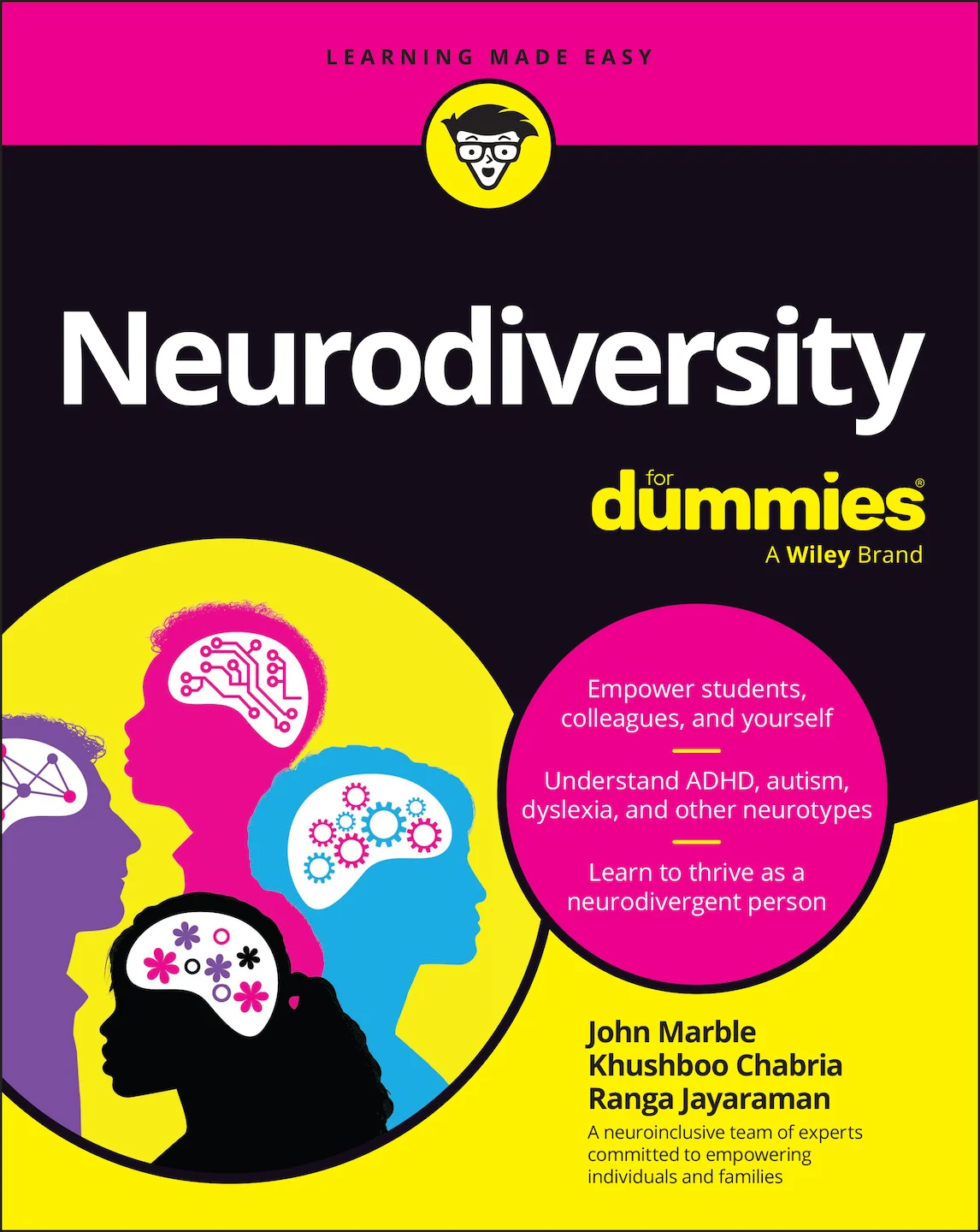 Neurodiversity Inspired Science and Engineering Fellow Hari Srinivasan is mentioned in John Marble's 'Neurodiversity for Dummies'.
About the Book: Neurodiversity For Dummies is your essential guide in understanding neurodivergent conditions like autism, ADHD, dyslexia, and more. This quick and easy guide is perfect for anyone needing to know more about neurodiversity. And that's all of us--because recent estimates say that 15-20% of the world's population have some form of neurodivergence. Your life is filled with neurodivergent people that you know and love, whether you realize it yet or not.
It's time to learn to support and include the neurodivergent among us, and to understand how neurodiversity impacts society and the workplace. This is for the neurodivergent person wanting to thrive in life, for parents and caregivers seeking success for their child, and for teachers who are working to make a difference in their students' lives. Filled with practical advice, Neurodiversity for Dummies also provides a helping hand to service providers, assistance for workplace managers and colleagues, and understanding for family members and friends.
Imagine a world where we all understood ourselves better and appreciated more deeply the differences in others. No matter how your own brain thinks, Neurodiversity for Dummies is for you. Check out this jargon-free introduction for an essential overview.
- Explore the Spectrum of Neurodiversity: Understand in plain language the world of autism, ADHD, dyslexia, and other neurodivergent conditions.
- Unlock Hidden Talents: Move yourself beyond common myths and misconceptions to discover how neurodiversity actually works. Learn how neurodiversity has always been with us, why society needs neurodivergent traits, and how neurodiversity can be a wellspring of innovation, creativity, and out-of-the-box thinking.
- Discover Yourself: Whether you are a neurodivergent person or not, learn how to understand your own normalcy, advocate for your needs, and build meaningful connections with those who think and experience the world differently than you.
- Change the World Around You: Be empowered through simple steps you can take to create inclusive environments for neurodivergent individuals in your school or workplace. Uncover proven strategies that cultivate a culture of acceptance and respect, where the unique perspectives of all individuals are valued and celebrated.
We believe in providing parents with better supports, empowering individuals with information, and shaping a world where we are all seen and understood. With an author team composed of neurodivergent individuals and parents writing together, Neurodiversity for Dummies is an example of the power of neurodiversity when put into action. It's why we wrote this for you.
Don't miss your chance to embark on this transformative journey. Order your copy of Neurodiversity for Dummies now to better understand yourself and others, and to join the movement that is revolutionizing how we understand and support the diversity of the human mind.
 FCAI Neurodiversity Inspired Science and Engineering Fellow Hari Srinivasan is mentioned in Michael Jeffress' book 'Disability Representation in Film, TV, and Print Media'.
About The Book: Using sources from a wide variety of print and digital media, this book discusses the need for ample and healthy portrayals of disability and neurodiversity in the media, as the primary way that most people learn about conditions.
It contains 13 newly written chapters drawing on representations of disability in popular culture from film, television, and print media in both the Global North and the Global South, including the United States, Canada, India, and Kenya. Although disability is often framed using a limited range of stereotypical tropes such as victims, supercrips, or suffering patients, this book shows how disability and neurodiversity are making their way into more mainstream media productions and publications with movies, television shows, and books featuring prominent and even lead characters with disabilities or neurodiversity.
Disability Representation in Film, TV, and Print Media will be of interest to all scholars and students of disability studies, cultural studies, film studies, gender studies, and sociology more broadly.
FCAI Staff Recommendations
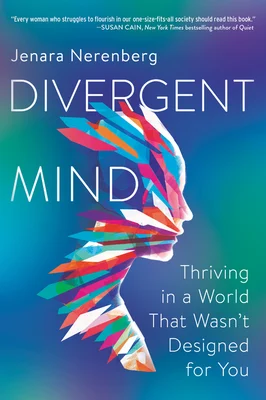 Recommended by FCAI Director of Communications Dr. Jessica Schonhut-Stasik.
About the Book: As a successful Harvard and Berkeley-educated writer, entrepreneur, and devoted mother, Jenara Nerenberg was shocked to discover that her “symptoms”--only ever labeled as anxiety-- were considered autistic and ADHD. Being a journalist, she dove into the research and uncovered neurodiversity—a framework that moves away from pathologizing “abnormal” versus “normal” brains and instead recognizes the vast diversity of our mental makeups. When it comes to women, sensory processing differences are often overlooked, masked, or mistaken for something else entirely. Nerenberg explores these topics in depth, delving into:
- Flawed systems that focus on diagnosing younger, male populations.
- How people assigned female at birth are conditioned to blend in and conform to gender expectations, and how women often don’t learn about their neurological differences until they are adults, if at all.
- The impact of millions living with undiagnosed or misdiagnosed neurodivergences, and how the misidentification leads to depression, anxiety, low self-esteem, and shame.
- Practical solutions for neurodivergent people to thrive, not just survive.
Divergent Mind is the much-needed answer for women who have a deep sense that they are “different.” Sharing real stories from women with high sensitivity, ADHD, autism, misophonia, dyslexia, SPD, and more, Nerenberg explores how these brain variances present differently in women and dispels widely-held misconceptions (for example, it’s not that autistic people lack sensitivity and empathy, they have an overwhelming excess of it). Nerenberg offers us a path forward, describing changes in how we communicate, how we design our surroundings, and how we can better support divergent minds. When we allow our wide variety of brain makeups to flourish, we create a better tomorrow for us all.
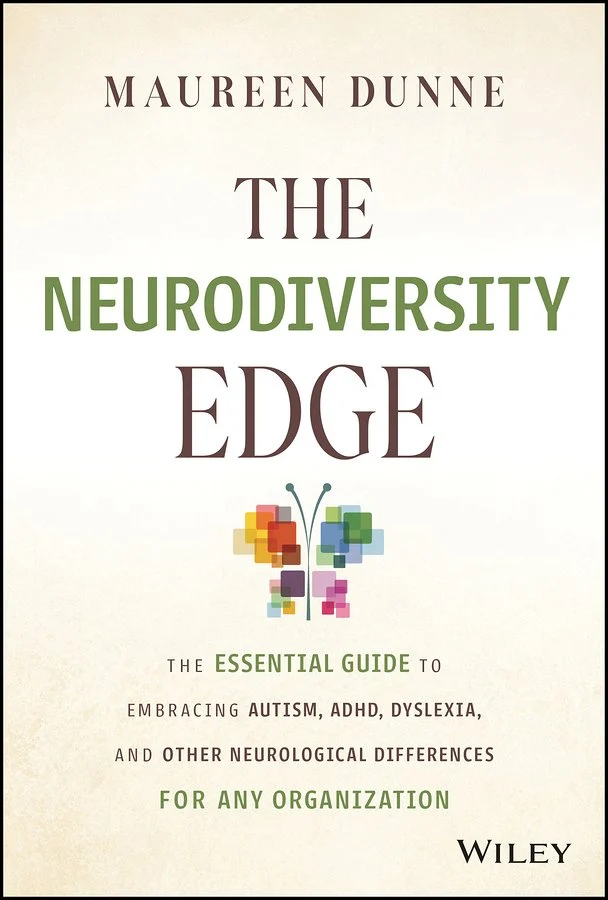 Recommended by FCAI Director of Communications Dr. Jessica Schonhut-Stasik.
About The Book: Did you know that an estimated 1 in 5 people are "neurodivergent"--have a mind that works differently, such as the autistic, ADHDers, the dyslexic, synesthetes, and other unique neurotypes--and that the vast majority are motivated, capable, and unemployed?
This indispensable guide is based on more than two decades of immersive cognitive science research, case studies, stories from neurodivergent voices, in-the-trenches work with hundreds of organizations from start-ups to global Fortune 500 titans, and Dr. Dunne's own lived experiences as a neurodivergent employer, entrepreneur, board member, and CEO. Too many unique minds and perspectives on the sidelines, and too many organizations beset by groupthink, innovation-stagnation, and a lack of access to qualified new candidates. The Neurodiversity Edge takes you all the way from why to what and to how, delivering practical insights that build on a new foundational framework:
- Cultivate a values-driven approach to building a culture of sustained authentic inclusion where everyone can thrive
- How to improve the interview process to avoid missing game-changing talent
- Develop a hybrid office protocol that works for everyone and a support infrastructure that aligns with universal design principles
- Discover why Google's Project Aristotle found that innovation and performance hinge on psychological safety
- Uncover and eliminate the destructive influence of unconscious cognitive biases
- Take a graphic tour into the wonders of the human mind
- Understand unique problem-solving abilities such as lateral thinking, visual-spatial thinking, multisensory thinking, leaps of creative insight, hyperfocus, and many more
- How to articulate and implement organizational goals and measure progress toward them
The Neurodiversity Edge is an essential guide for executives, board directors, human resources professionals, managers, recruiters, entrepreneurs, venture capitalists, allies, educators, nonprofit leaders, and anyone with an interest in better understanding neurodiversity, authentic neuroinclusion, and the human mind.
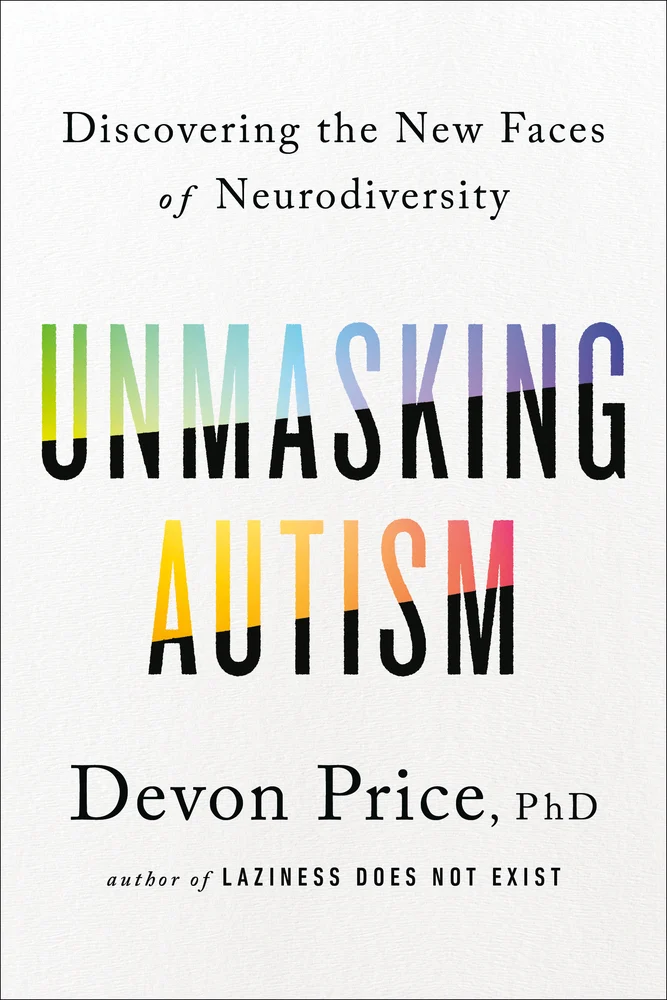 Recommended by FCAI Director of Communications Dr. Jessica Schonhut-Stasik.
About The Book: For every visibly Autistic person you meet, there are countless "masked" Autistic people who pass as neurotypical. Masking is a common coping mechanism in which Autistic people hide their identifiably Autistic traits in order to fit in with societal norms, adopting a superficial personality at the expense of their mental health. This can include suppressing harmless stims, papering over communication challenges by presenting as unassuming and mild-mannered, and forcing themselves into situations that cause severe anxiety, all so they aren't seen as needy or "odd."
In Unmasking Autism, Dr. Devon Price shares his personal experience with masking and blends history, social science research, prescriptions, and personal profiles to tell a story of neurodivergence that has thus far been dominated by those on the outside looking in. For Dr. Price and many others, Autism is a deep source of uniqueness and beauty. Unfortunately, living in a neurotypical world means it can also be a source of incredible alienation and pain. Most masked Autistic individuals struggle for decades before discovering who they truly are. They are also more likely to be marginalized in terms of race, gender, sexual orientation, class, and other factors, which contributes to their suffering and invisibility. Dr. Price lays the groundwork for unmasking and offers exercises that encourage self-expression, including:
- Celebrating special interests
- Cultivating Autistic relationships
- Reframing Autistic stereotypes
- And rediscovering your values
It's time to honor the needs, diversity, and unique strengths of Autistic people so that they no longer have to mask--and it's time for greater public acceptance and accommodation of difference. In embracing neurodiversity, we can all reap the rewards of nonconformity and learn to live authentically, Autistic and neurotypical people alike.
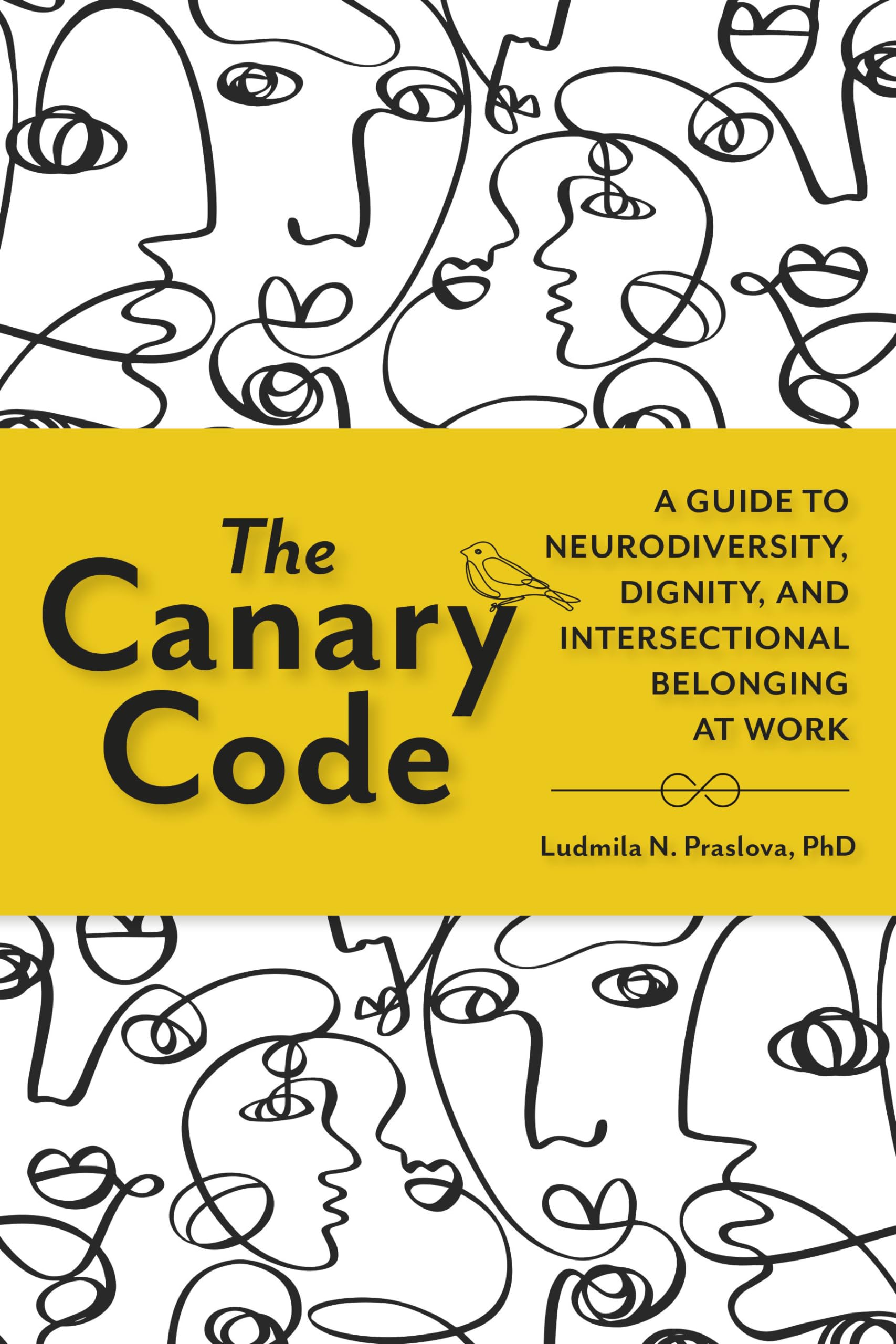 Recommended by FCAI Deputy Director of Business Innovations Dr. Tim Vogus.
About the Book: Healthy systems that support talent most impacted by organizational ills—canaries in the coal mine—support everyone.
Currently, despite their skills and work ethics, members of ADHD, autism, Tourette Syndrome, learning differences, and related communities face drastic barriers to hiring and advancement. In the U.S., 30-40% of neurodivergent people and 85% of autistic college graduates struggle with unemployment. Like canaries in the mine, they are impacted by issues that ultimately harm everyone. Lack of flexibility, transparency, and psychological safety excludes neurodivergent, disabled, and multiply marginalized talent—and leaves most employees stressed and disengaged.
This unique book is a guide to change-making for CEOs, managers, HR leaders, and everyone who wants to contribute to building a more inclusive world.
The authors’ over 25 years of experience spanning global diversity to neurodiversity leadership and extensive research on innovative practices of uniquely inclusive organizations around the world inform this books’:
- Explicitly intersectional approach to (neuro)inclusion
- Holistic understanding of humans and their social, cognitive, emotional, and physical differences.
- Holistic approach to organizational talent practices, from creating job descriptions and recruiting to onboarding, performance management, and leadership development.
- A globally inclusive approach that centers, celebrates and invites multiple voices from the neurodivergent community.
- A “lead from where you are” approach to change-making.
This groundbreaking book combines the lived experience with academic rigor, innovative thought leadership, and lively, accessible writing. To support different types of readers, academic, applied, and lived experience content is clearly identified, helping readers choose their own adventure.
 Recommended by FCAI Deputy Director of Business Innovations Dr. Tim Vogus.
About the Book: Autistic people often experience difficulties with social communication. This can impact all areas of life and can contribute to poorer mental health outcomes, reduced opportunities for fulfilling social interactions and barriers to health and social care, education and employment. This book offers a new way of understanding why cross-neurotype mis attunements in communication may happen by taking the double empathy problem - the reframing of social communication difficulties as a two-way problem, not simply the result of an autistic 'deficit' - and a little-known cognitive linguistics theory, 'relevance theory', as a starting point. Weaving together threads from critical autism studies, a social-justice perspective, cognitive science, linguistics and sociology, this book leads the reader towards a new, radical perspective of how we can understand these breakdowns in understanding.
 Recommended by FCAI Associate Director Dr. Dave Caudel.
About the Book: In the vein of Quiet and The Geeks Shall Inherit the Earth comes this illuminating look at what it means to be awkward—and how the same traits that make us socially anxious and cause embarrassing faux pas also provide the seeds for extraordinary success.
As humans, we all need to belong. While modern social life can make even the best of us feel gawky, for roughly one in five of us, navigating its challenges is consistently overwhelming—an ongoing maze without an exit. Often unable to grasp social cues or master the skills and grace necessary for smooth interaction, we feel out of sync with those around us. Though individuals may recognize their awkward disposition, they rarely understand why they are like this—which makes it hard for them to know how to adjust their behavior.
Psychologist and interpersonal relationship expert Ty Tashiro knows what it’s like to be awkward. Growing up, he could do math in his head and memorize the earned run averages of every National League starting pitcher. But he couldn’t pour liquids without spilling and habitually forgot to bring his glove to Little League games. In Awkward, he unpacks decades of research into human intelligence, neuroscience, personality, and sociology to help us better understand this widely shared trait. He explores its nature vs. nurture origins, considers how the awkward view the world, and delivers a welcome counterintuitive message: the same characteristics that make people socially clumsy can be harnessed to produce remarkable achievements.
Interweaving the latest research with personal tales and real world examples, Awkward offers reassurance and provides valuable insights into how we can embrace our personal quirks and unique talents to harness our awesome potential—and more comfortably navigate our complex world.
 Recommended by FCAI Neurodiversity Inspired Science and Engineering Fellow Hari Srinivasan.
A story of fighting to belong in a world that wasn’t built for all of us and of one woman’s activism—from the streets of Brooklyn and San Francisco to inside the halls of Washington—Being Heumann recounts Judy Heumann’s lifelong battle to achieve respect, acceptance, and inclusion in society.
Paralyzed from polio at eighteen months, Judy’s struggle for equality began early in life. From fighting to attend grade school after being described as a “fire hazard” to later winning a lawsuit against the New York City school system for denying her a teacher’s license because of her paralysis, Judy’s actions set a precedent that fundamentally improved rights for disabled people.
As a young woman, Judy rolled her wheelchair through the doors of the US Department of Health, Education, and Welfare in San Francisco as a leader of the Section 504 Sit-In, the longest takeover of a governmental building in US history. Working with a community of over 150 disabled activists and allies, Judy successfully pressured the Carter administration to implement protections for disabled peoples’ rights, sparking a national movement and leading to the creation of the Americans with Disabilities Act.
Candid, intimate, and irreverent, Judy Heumann’s memoir about resistance to exclusion invites readers to imagine and make real a world in which we all belong.
 Recommended by Neurodiversity Inspired Science and Engineering Fellow Hari Srinivasan.
How much of what we understand of ourselves as "human" depends on our physical and mental abilities--how we move (or cannot move) in and interact with the world? And how much of our definition of "human" depends on its difference from "animal"?
Drawing on her own experiences as a disabled person, a disability activist, and an animal advocate, author Sunaura Taylor persuades us to think deeply, and sometimes uncomfortably, about what divides the human from the animal, the disabled from the nondisabled--and what it might mean to break down those divisions, to claim the animal and the vulnerable in ourselves, in a process she calls "cripping animal ethics."
Beasts of Burden suggests that issues of disability and animal justice--which have heretofore primarily been presented in opposition--are in fact deeply entangled. Fusing philosophy, memoir, science, and the radical truths these disciplines can bring--whether about factory farming, disability oppression, or our assumptions of human superiority over animals--Taylor draws attention to new worlds of experience and empathy that can open up important avenues of solidarity across species and ability. Beasts of Burden is a wonderfully engaging and elegantly written work, both philosophical and personal, by a brilliant new voice.