
Admissions Committee Category

The Vanderbilt Waitlist: True and False
Apr. 24, 2019—So you have been placed on the waitlist — congrats! While this may not have been the news you were hoping for, it’s an accomplishment that should be celebrated! If you were placed on the waitlist, this means that we think you’d be a good addition to the Vanderbilt Class of 2023. However, with only...
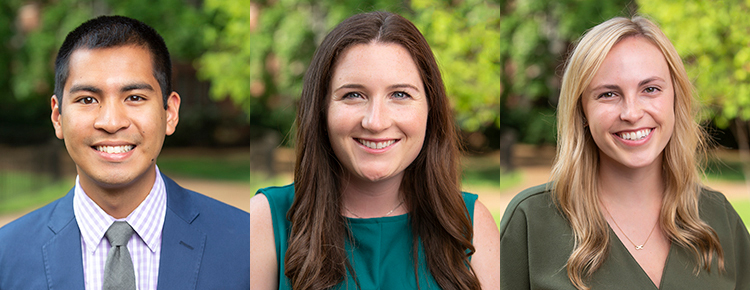
OUA’s New Admissions Counselors
Sep. 6, 2018—As we wave goodbye to summer and welcome new beginnings this fall, we would like to introduce our newest additions to the Office of Undergraduate Admissions! These counselors will represent Vanderbilt at high school visits, college fairs, and other events throughout the year — and you might just see one of them at your school!...

Introducing Our Newest Admissions Counselors!
Sep. 5, 2017—Well—it’s the start of another wonderful recruitment cycle! Do you know what that means for admissions counselors? Flights, applications, food, college fairs, hotels, and did I say amazing food?! As counselors, we enjoy forging new relationships and advocating for the admission of numerous, talented scholars! With an office of 32 admissions counselors, we practice a concept...

Tips for Letters of Recommendation
Oct. 31, 2014—You need recommendations as a part of your application for admission, and we're here with the three steps you need to get them done right.

What is positive advocacy?
Oct. 10, 2013—With applications rolling in, I’m excited to learn more about the upcoming selection process. So I asked some of my colleagues about the philosophy of positive advocacy, the idea that admissions counselors open each application looking for the reasons to admit students rather than reasons to deny them.

Introducing Our Newest Counselors
Jul. 17, 2013—Meet our three new admissions counselors who joined the OUA family last week!

7 Lessons Learned from “Admission” the Movie
Apr. 1, 2013—Carolyn reflects on the new Tina Fey film and the truths it relays about the field of college admissions.

Class of 2017 Regular Decisions Mailed Today
Mar. 25, 2013—Decisions letters are on their way to Class of 2017 applicants.

Guest Blog: Merit Scholarships Update
Mar. 5, 2013—Director of Undergraduate Scholarships Brent Tener updates readers on merit scholarship notifications.

Early Decision I Decision Letters Mailed
Dec. 11, 2012—We are proud to announce the admission of the most academically qualified and diverse EDI class yet.
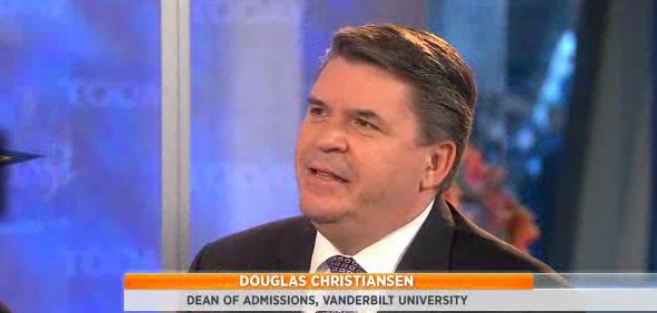
Dean of Admissions Douglas L. Christiansen Discusses the Application Process on The Today Show
Oct. 31, 2012—VU's Dean of Admissions appears on The Today Show to talk about the application process in advance of the Early Decision I deadline.
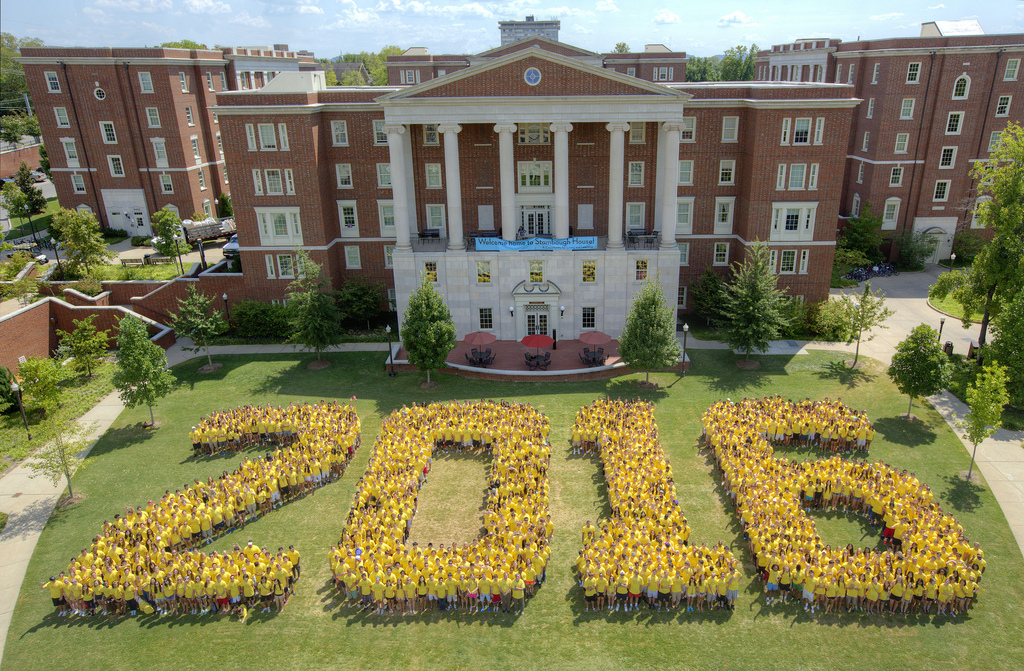
Census Day Brings More Data on the Phenomenal Class of 2016
Oct. 22, 2012—The remarkable Class of 2016 has been on campus for a few months now and we're still not through bragging on them.